
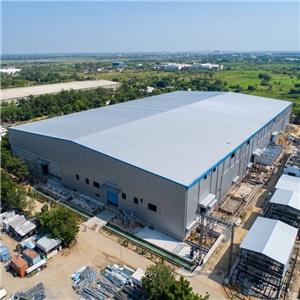
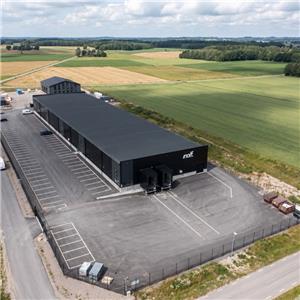


Steel Structure Hangar: Why Aviation Operators Choose Steel Structure Hangar Designs for Aircraft Storage
Steel Structure Hangar: Why Aviation Operators Choose Steel Structure Hangar Designs for Aircraft Storage
The steel structure hangar has become the dominant aircraft hangar building type for aviation infrastructure worldwide. From small private hangars housing single-engine aircraft to massive maintenance facilities for wide-body commercial jets, the steel structure hangar delivers the combination of wide clear span, fast construction, and structural reliability that aviation operators require from a modern aircraft hangar building.
This article explains why aviation companies, defense organizations, and private aircraft owners select a prefab steel hangar over traditional concrete construction. Aviation buyers will learn the key design factors that determine whether a steel structure hangar meets aircraft access, fire safety, and operational needs across the building service life — and what defines successful aviation hangar construction from start to finish.
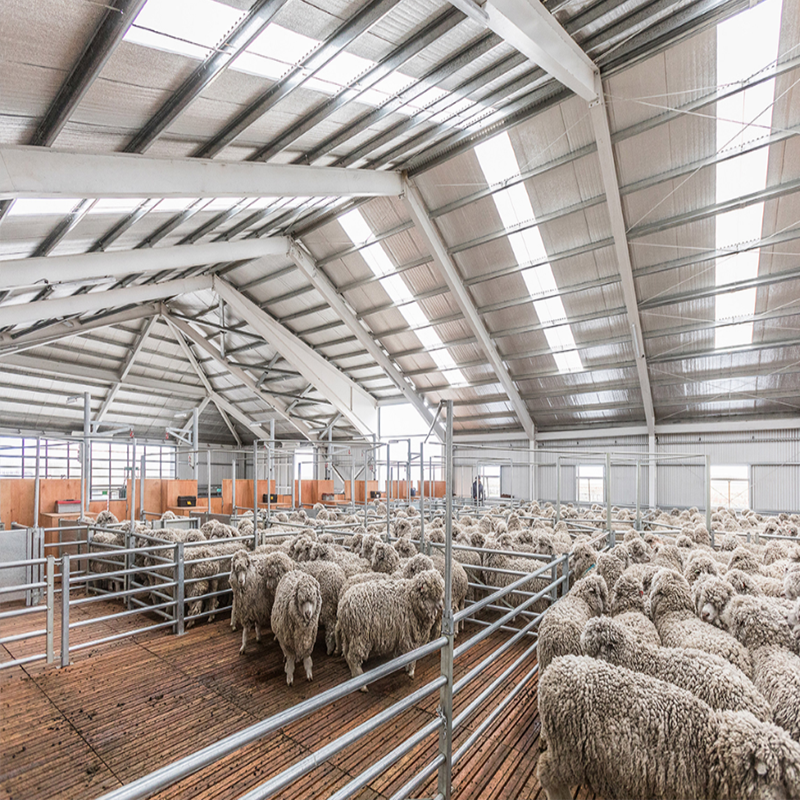
Above: A completed steel structure hangar by Meituo Buildings, featuring 50-meter clear span and custom aviation door system.
What Makes a Steel Structure Hangar Different from Other Industrial Buildings
Aircraft storage requirements differ fundamentally from standard warehouse storage. Aircraft cannot navigate around interior columns. Aircraft require precise overhead clearance for tail height. Aircraft maintenance demands overhead crane capability and specific ventilation. These four requirements mean a steel structure hangar must be engineered specifically for aviation use — not adapted from a generic warehouse design.
The portal frame system used in a modern steel structure hangar achieves clear spans of 40 to 100 meters without internal columns — making the clear span hangar design the gold standard for aircraft storage. A clear span hangar accommodates the wingspan and tail height of business jets, regional aircraft, and even narrow-body commercial jets. For larger wide-body aircraft, a steel structure hangar using truss or space frame technology can extend the clear span hangar width beyond 150 meters.
Browse the full Steel Structure Hangar product category to see complete specifications and design options for different aircraft classes.
Six Reasons Aviation Buyers Select a Steel Structure Hangar
Reason 1: Clear Span Without Internal Columns
Aircraft cannot maneuver around interior columns. A steel structure hangar with a 50-meter clear span easily accommodates a Boeing 737 or Airbus A320 with wingspan around 36 meters. Even a 70-meter steel structure hangar handles regional jets with sufficient margin for towing equipment and ground support vehicles.
Reason 2: Rapid Construction Schedule
A standard prefab steel hangar of 3,000 to 5,000 square meters reaches weathertight status within 80 to 110 days from order placement. Compare this aviation hangar construction timeline to concrete aviation buildings, which typically take 12 to 24 months. Aviation operators who need facilities operational before a peak season or contract deadline find the prefab steel hangar the only realistic choice for fast-track aviation hangar construction.
Reason 3: Predictable Cost Structure
Pre-engineered steel structure hangar projects have predictable material costs. The integrated design system used for every aircraft hangar building avoids the budget overruns common in custom concrete construction. The steel structure hangar price ranges from USD 45 to USD 95 per square meter for the structural supply, depending on span, height, and door system.
Reason 4: Expansion Flexibility
An aviation operation that grows can extend a prefab steel hangar by adding portal frame bays at the gable end. The aircraft hangar building framework accepts new bays without disturbing operations in the existing facility. Concrete hangars cannot match this expansion flexibility.
Reason 5: Custom Door Integration
A steel structure hangar accommodates virtually any aviation door system: horizontal sliding doors for medium jets, bi-fold doors for general aviation, hydraulic doors for executive hangars. The aircraft hangar building portal frame is engineered around the chosen door system from day one.
Reason 6: Long Service Life with Low Maintenance
A properly specified prefab steel hangar delivers 50 or more years of service life. The structural steel does not deteriorate when protected by an appropriate coating system. A coastal aircraft hangar building requires hot-dip galvanizing for maximum corrosion resistance — a detail every aviation hangar construction manager should confirm before placing an order.

Above: Interior of a completed steel structure hangar showing the column-free clear span essential for aircraft access.
Steel Structure Hangar Design: Six Critical Parameters
Every successful steel structure hangar project begins with six engineering parameters defined before any quotation request. Aviation buyers who define these parameters upfront receive accurate quotations and avoid costly design revisions.
| Parameter | Aviation-Specific Requirement | Impact on Steel Structure Hangar |
|---|---|---|
| Clear span | Largest aircraft wingspan + 6 m margin | Determines primary frame steel weight |
| Door opening height | Aircraft tail height + 1 m clearance | Sets eave height for the steel structure hangar |
| Door opening width | Aircraft wingspan + 4 m clearance | Determines door type selection |
| Wind load | Local code + door open condition | Drives column section sizes |
| Fire rating | Aviation fuel storage requirements | Affects cladding panel selection |
| Crane capacity | Engine removal: typically 5–15 tons | Determines runway beam specification |
How Steel Structure Hangar Door Systems Are Selected
The door system represents one of the most visible and operationally critical decisions in any steel structure hangar project. Three primary door types serve aviation use:
Horizontal sliding doors: Most common for commercial steel structure hangar facilities. Sliding doors stack to the sides when open and require zero overhead space. Aviation operators with frequent aircraft movement prefer the sliding door system for the speed and reliability.
Bi-fold doors: Two horizontal panels that fold upward. The bi-fold door fits a steel structure hangar with limited side wall clearance. Smaller aviation operations and private hangars frequently select the bi-fold system.
Hydraulic doors: A single panel that opens upward as a canopy. The hydraulic door provides shade and weather protection in front of the steel structure hangar when open. Executive aviation hangars often specify the hydraulic system for the appearance and convenience.

Above: A steel structure hangar with horizontal sliding door system, providing fast and weather-tight aircraft access.
Fire Safety in a Steel Structure Hangar
Aviation operations involve flammable fuels, lubricants, and electrical systems. Every steel structure hangar housing aircraft must integrate appropriate fire protection. The fire protection design depends on three factors: aviation classification, jurisdiction code requirements, and insurance specifications.
For most commercial aviation use, a steel structure hangar requires automatic sprinkler systems compliant with NFPA 409 (Standard on Aircraft Hangars). The sprinkler system may include foam-water deluge for Group I hangars and standard wet sprinklers for smaller Group II and III hangars. The steel structure hangar design must include sufficient roof structure capacity to support sprinkler piping.
The cladding panel system selected for a steel structure hangar directly affects fire performance. Rockwool sandwich panels deliver A1 non-combustible fire rating, the highest classification available. Polyurethane panels require additional fire barriers in high-risk aviation applications.
Steel Structure Hangar Cost Reference for 2026 Aviation Projects
| Steel Structure Hangar Type | Specification | Cost Range (USD/m²) |
|---|---|---|
| Light general aviation hangar | 25 m span, 7 m eave, bi-fold door, no crane | USD 45 – 58 |
| Commercial steel structure hangar | 50 m span, 12 m eave, sliding doors, 5 T crane | USD 62 – 78 |
| Wide-body steel structure hangar | 80 m span, 18 m eave, sliding doors, crane, fire system | USD 80 – 110+ |
| Military or defense steel structure hangar | Custom — blast resistance, special doors | USD 95 – 150+ |
The cost figures above cover the steel structure hangar supply only — foundation, fire systems, electrical installation, and aviation-specific equipment are additional.
Real Project: Steel Structure Hangar for Italian Aviation Client
Meituo Buildings recently delivered a custom steel structure hangar to an Italian aviation operator. The project featured a 45-meter clear span, 14-meter eave height, and a custom horizontal sliding door system. The complete steel structure hangar was fabricated in 32 days, shipped to Italy in 28 days, and erected on site in 18 days — total project completion in under 90 days.
Read the full project description: Shenyang Meituo Delivers Cutting-Edge Prefabricated Hangar for Italian Aviation Client.
The Italian client highlighted three reasons for selecting Meituo Buildings: complete engineering documentation provided in 7 days, transparent steel structure hangar pricing without hidden costs, and project management support throughout shipping and customs clearance.
Frequently Asked Questions
What is the largest possible clear span for a steel structure hangar?
A standard portal frame clear span hangar achieves widths up to 100 meters. For wider clear span hangar projects, truss systems or space frame technology extends the aircraft hangar building width to 150 meters and beyond. Such wide-span aviation hangar construction projects suit wide-body commercial aircraft maintenance and large defense aviation use.
How long does aviation hangar construction take from order to handover?
A medium-sized aircraft hangar building of 2,000 to 4,000 square meters completes in 80 to 110 days. The aviation hangar construction schedule includes 10 days for design and approval, 25 to 35 days for factory fabrication, 20 to 40 days for shipping, and 14 to 30 days for foundation and erection. Aviation buyers planning a prefab steel hangar project should allow an additional 30 days for local authority approvals.
Can a prefab steel hangar accommodate overhead cranes for aircraft maintenance?
Yes. The prefab steel hangar portal frame can integrate overhead bridge cranes from 3 tons to 30 tons capacity. The crane specification must be defined before the aircraft hangar building structural design begins, because crane loads directly affect column section sizes and eave height requirements.
What insulation does a steel structure hangar need?
A steel structure hangar in a hot climate requires 75 to 100 mm sandwich panels with reflective exterior coating to limit solar heat gain. In cold climates, the aircraft hangar building needs 100 to 150 mm polyurethane sandwich panels with full vapor barriers. Aviation maintenance hangars typically use higher insulation specifications to maintain comfortable working conditions for technicians year-round.
Request a Custom Steel Structure Hangar Design and Quote
Meituo Buildings has delivered steel structure hangar projects to aviation clients in Italy, Saudi Arabia, Romania, and across Asia. Every steel structure hangar design is matched to the specific aircraft types, climate conditions, and operational requirements of the project location.
Tell Meituo Buildings the largest aircraft to be housed, project country, and approximate hangar dimensions. Meituo Buildings will provide a free steel structure hangar layout drawing, detailed specification sheet, and complete cost breakdown within 3 business days, at no charge.
Explore the Steel Prefabricated Hangars featured product for complete technical specifications.
Email: sales@meituobuildings.com
WhatsApp / Phone: +86 15910306877
Website: www.meituobuildings.com