

Understanding the Different Types of Steel Sheet Used in Modern Construction
In modern building projects, steel materials are widely used because of their strength, durability, and versatility. Among these materials, the steel sheet plays a particularly important role in many construction systems. From structural reinforcement to roofing and wall panels, the steel sheet is one of the most commonly used components in steel buildings.
However, when engineers or buyers talk about steel sheet materials, they are not referring to a single product. In reality, the steel sheet category includes several types that differ in production method, coating, mechanical properties, and intended application. Understanding these differences helps builders select the right steel sheet for each project.
Why Steel Sheet Matters in Steel Construction
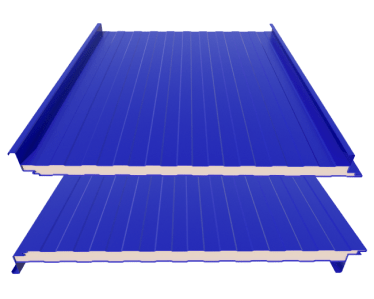
A modern steel building relies heavily on the performance of its steel sheet components. The steel sheet is often used in roof systems, wall cladding, decking plates, and structural supports. Because these elements are exposed to environmental conditions such as wind, moisture, and temperature variation, the quality of the steel sheet directly affects building durability.
When the appropriate steel sheet type is selected, it can significantly improve corrosion resistance, reduce maintenance costs, and extend the lifespan of the entire structure.
Common Steel Sheet Types Used in Construction
Hot Rolled Steel Sheet
One of the most frequently used materials in heavy construction is the hot rolled steel sheet. This steel sheet is manufactured at high temperatures, which allows the material to be shaped easily during production.
Because hot rolled steel sheet is relatively economical and easy to produce, it is commonly used for structural plates, machinery components, and large industrial frames. In many steel buildings, the hot rolled steel sheet provides the necessary structural strength.
Cold Rolled Steel Sheet
Another widely used material is the cold rolled steel sheet. Unlike hot rolled steel sheet, this material is processed at lower temperatures, which improves surface finish and dimensional accuracy.
Cold rolled steel sheet is often used when a project requires smoother surfaces and tighter tolerances. Applications include wall panels, metal components, and various architectural elements that require precise fabrication.
Galvanized Steel Sheet
For projects that require improved corrosion resistance, the galvanized steel sheet is often the preferred choice. This steel sheet is coated with a protective zinc layer that shields the base metal from rust and environmental damage.
Galvanized steel sheet is commonly used for roofing panels, exterior walls, and structural decking. In environments with high humidity or exposure to rain, the galvanized steel sheet provides long-term durability.
Color-Coated Steel Sheet
The color-coated steel sheet builds upon galvanized steel sheet technology by adding protective paint layers. This process enhances both corrosion resistance and visual appearance.
Color-coated steel sheet is widely used in modern warehouses, factories, and commercial buildings. Because the steel sheet comes in various colors and finishes, it also improves architectural aesthetics while maintaining structural reliability.
Stainless Steel Sheet
In specialized environments such as food processing facilities, chemical plants, or coastal regions, the stainless steel sheet becomes an important option. Stainless steel sheet contains alloying elements such as chromium that provide excellent resistance to corrosion.
Although stainless steel sheet is more expensive than conventional steel sheet materials, its long service life and superior durability make it ideal for demanding environments.
Thickness and Grade Classification of Steel Sheet
In addition to manufacturing method and coating type, the steel sheet is also categorized according to thickness and mechanical strength. Thin steel sheet materials are typically used for cladding systems, while thicker steel sheet plates may be used for load-bearing applications.
Steel sheet grades define important properties such as yield strength and tensile strength. Engineers must select the correct steel sheet grade to ensure the material meets structural requirements.
Choosing the Right Steel Sheet for Your Project
Selecting the correct steel sheet involves evaluating several key factors, including building function, environmental exposure, structural load, and budget. A warehouse project may prioritize corrosion-resistant steel sheet panels, while an industrial structure may require thicker steel sheet materials for structural stability.
Professional engineers and manufacturers carefully analyze these requirements to determine which steel sheet solution best suits the project.