
Material Standards Behind a Reliable Metal Steel Structure Building
In global construction markets, the rise of the Metal steel structure building reflects a shift toward faster, stronger, and more adaptable construction systems. From logistics hubs to industrial workshops, developers increasingly rely on Metal steel structure building solutions for long-term operational stability.
However, what many project owners overlook is that the true strength of a Metal steel structure building begins not with design drawings, but with material standards. The steel grade, mechanical properties, and compliance certifications determine whether a Metal steel structure building can safely perform for decades.
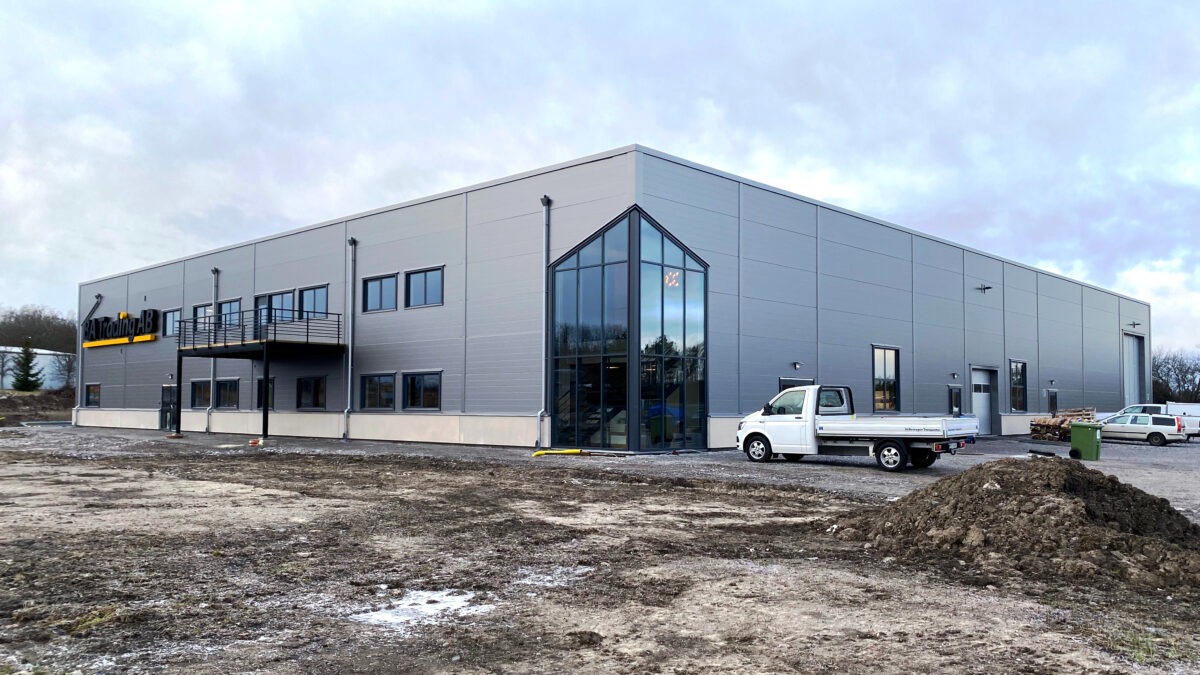
The Role of Material Standards in a Metal Steel Structure Building
Every Metal steel structure building depends on structural members such as beams, columns, and bracing systems. These components must meet clearly defined material standards to ensure predictable performance.
Material standards regulate:
Yield strength
Tensile strength
Chemical composition
Ductility and elongation
Impact resistance
Without these defined benchmarks, a Metal steel structure building would lack consistency and structural reliability.
Global Material Standards Used in Metal Steel Structure Building Projects
Different regions apply different material systems, yet all aim to guarantee safety and performance.
North American Standards (ASTM)
In the United States and Canada, a Metal steel structure building commonly uses ASTM-certified structural steel. Popular grades include:
ASTM A36 for general structural applications
ASTM A572 for higher strength requirements
ASTM A992 for structural frames
These standards are widely accepted for Metal steel structure building construction due to their stable mechanical properties.
European Standards (EN 10025)
Across Europe, Metal steel structure building projects typically follow EN standards such as:
S235
S275
S355
Each grade defines minimum yield strength levels, helping engineers match the correct steel to the structural demands of a Metal steel structure building.
Asian Standards (GB System)
In many Asian markets, including China, a Metal steel structure building may utilize Q235 or Q355 grades. These materials balance cost efficiency with structural strength, making them suitable for industrial Metal steel structure building applications.
Technical Considerations Beyond Steel Grade
Selecting materials for a Metal steel structure building involves more than simply choosing a strength level.
Weldability
Because welding is central to assembling a Metal steel structure building, steel chemistry must support stable weld performance. Carbon content and alloy composition influence weld integrity and long-term durability.
Corrosion Protection
For coastal or industrial environments, a Metal steel structure building requires additional protection such as galvanization, epoxy coatings, or weather-resistant steel grades. Proper surface treatment significantly extends the life of the Metal steel structure building.
Low-Temperature Performance
In cold climates, impact resistance becomes critical. A Metal steel structure building designed for such conditions must meet low-temperature toughness requirements to prevent brittle fracture.
Supporting Components Also Follow Standards
A complete Metal steel structure building includes more than primary steel members. High-strength bolts, welding consumables, and roof panel materials must all meet recognized international standards.
When all components comply with strict specifications, the Metal steel structure building performs as a unified structural system rather than isolated parts.
Documentation and Certification
Professional manufacturers of Metal steel structure building systems provide:
Mill test certificates
Material traceability records
Third-party inspection reports
ISO-certified production processes
These documents verify that the Metal steel structure building materials meet the required standards and design intent.
Final Thoughts
A Metal steel structure building is only as reliable as the materials behind it. While design and construction methods are essential, compliance with recognized steel standards ultimately determines structural safety and longevity.
For investors and developers, verifying material standards is not a minor detail—it is the foundation of a successful Metal steel structure building project. Choosing certified materials ensures that the Metal steel structure building can withstand operational demands, environmental conditions, and regulatory scrutiny for years to come.