
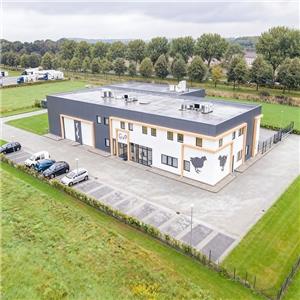
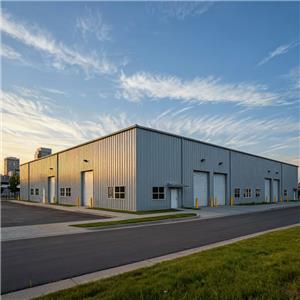
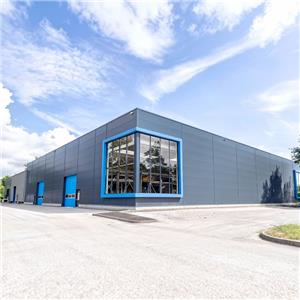

Warehouse Steel Structure: Design Principles for Maximum Storage Efficiency
As global logistics, manufacturing, and e-commerce industries continue expanding, businesses require larger and more efficient storage facilities than ever before. The modern warehouse steel structure has become the preferred solution for companies seeking flexibility, durability, and cost-effective construction.
Unlike traditional concrete warehouses, a warehouse steel structure can be designed to maximize storage space while minimizing construction time and operational costs. Whether the facility is intended for logistics distribution, manufacturing support, agricultural storage, or wholesale inventory management, proper warehouse steel structure design plays a crucial role in business performance.
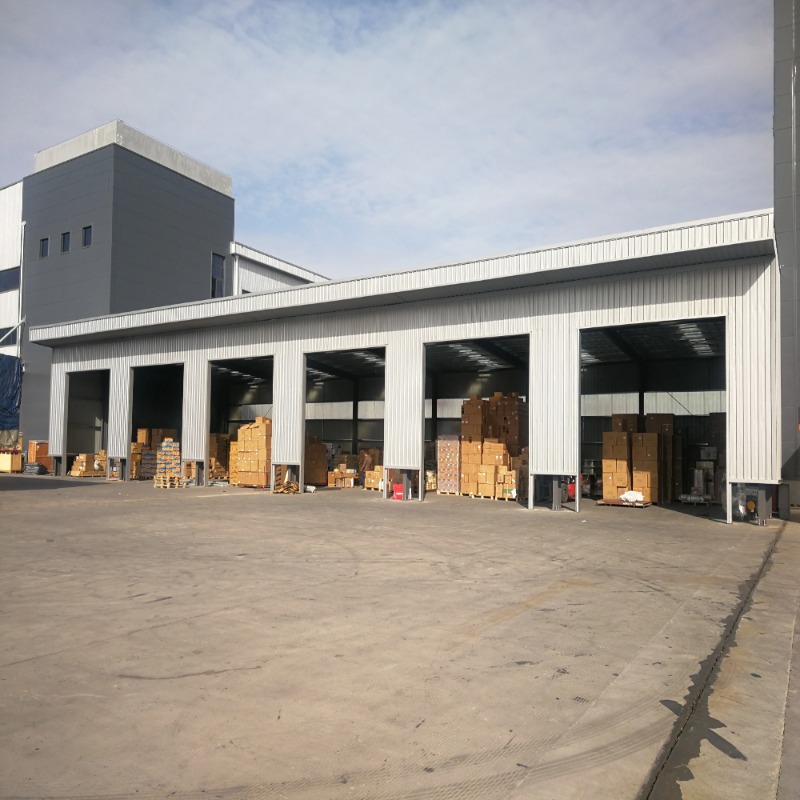
Why Businesses Choose Warehouse Steel Structure Systems
The popularity of the warehouse steel structure is driven by several major advantages.
Faster Construction
A warehouse steel structure can be prefabricated in a factory and assembled quickly on-site. This significantly reduces project timelines and allows businesses to begin operations sooner.
Large Open Space
Modern warehouse steel structure designs provide clear-span layouts with minimal interior columns, improving storage capacity and forklift movement.
Long-Term Durability
A professionally engineered warehouse steel structure can provide decades of reliable service with relatively low maintenance requirements.
Expansion Flexibility
Many warehouse steel structure projects are designed to accommodate future expansion without major structural modifications.
Key Elements of Warehouse Steel Structure Design
A successful warehouse steel structure must balance cost, functionality, and future growth.
Building Dimensions
The width, length, and height of the warehouse steel structure should match operational requirements.
Storage System Compatibility
The warehouse steel structure should support:
Standard pallet racks
Automated storage systems
High-density shelving
Bulk storage areas
Loading and Unloading Efficiency
Dock placement and traffic flow are critical components of warehouse steel structure planning.
Structural Components of a Warehouse Steel Structure
A typical warehouse steel structure includes:
Primary Structure
Columns
Main beams
Roof rafters
Secondary Structure
Purlins
Girts
Bracing systems
Cladding Systems
Roof panels
Wall panels
Insulated sandwich panels
These systems work together to create a durable and efficient warehouse steel structure.
How to Optimize Storage Capacity
The primary purpose of a warehouse steel structure is storage efficiency.
Strategies include:
Maximizing clear-span space
Increasing building height
Optimizing rack layouts
Improving material flow
A properly designed warehouse steel structure can significantly increase storage density.
Future Trends in Warehouse Steel Structure Projects
Emerging trends include:
Smart warehouse integration
Automated logistics systems
Energy-efficient building envelopes
Solar-ready roofing systems
The future warehouse steel structure will become increasingly intelligent and sustainable.
Conclusion
The warehouse steel structure remains one of the most efficient solutions for modern storage and logistics facilities. Through proper engineering, businesses can improve operational performance, reduce costs, and create a facility that supports long-term growth.