
How to Choose the Right Steel Building Manufacturer for Your Project in 2026
The global steel construction market continues to expand as businesses seek faster, stronger, and more cost-effective building solutions. Whether planning a warehouse, factory, logistics center, aircraft hangar, or agricultural facility, selecting the right steel building manufacturer is one of the most important decisions a project owner can make.
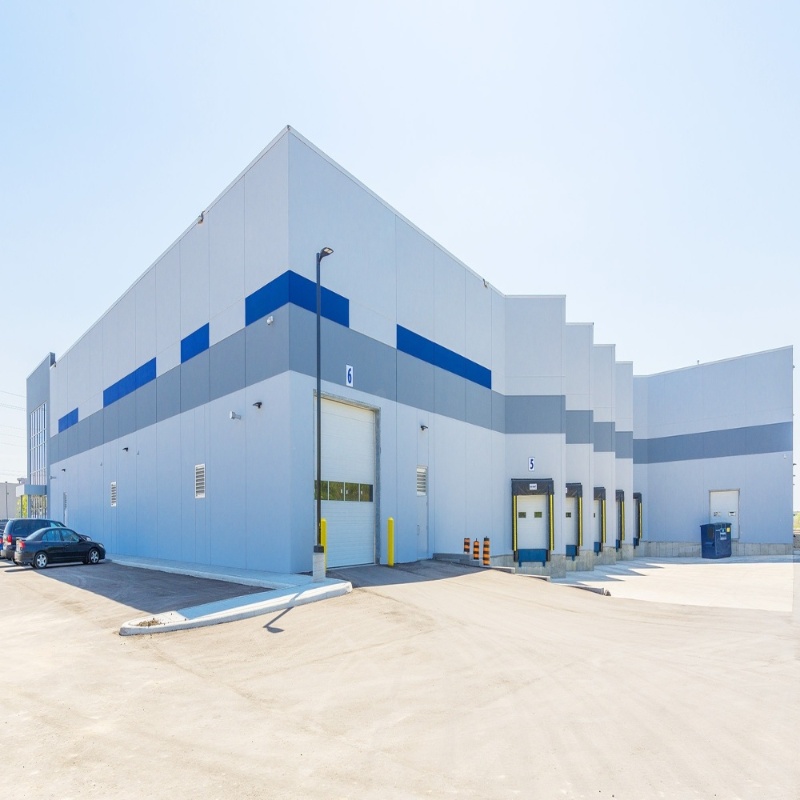
A professional steel building manufacturer provides far more than structural materials. The right partner contributes engineering expertise, production quality, project management support, and long-term reliability. In contrast, choosing an inexperienced steel building manufacturer can lead to delays, budget overruns, installation difficulties, and costly operational issues.
For buyers investing in industrial construction, understanding how to evaluate a steel building manufacturer is essential for project success.
Why the Steel Building Manufacturer Matters
Many investors focus heavily on price while overlooking the importance of the steel building manufacturer itself.
However, the manufacturer influences:
Structural quality
Engineering accuracy
Delivery schedules
Installation efficiency
Building lifespan
Future maintenance requirements
Even a well-designed project can encounter significant problems if the steel building manufacturer lacks technical capability or production experience.
What Does a Steel Building Manufacturer Actually Do?
A professional steel building manufacturer is responsible for much more than steel fabrication.
Typical services include:
Engineering Design
A steel building manufacturer often provides:
Structural calculations
Shop drawings
Connection design
Load analysis
Material Procurement
The steel building manufacturer selects appropriate materials according to project specifications.
Fabrication
Production includes:
Cutting
Drilling
Welding
Assembly
Surface treatment
Quality Inspection
Reliable steel building manufacturer facilities maintain strict quality control procedures.
Logistics Support
Many export-focused manufacturers coordinate packaging, container loading, and international shipping.
Key Qualities of a Professional Steel Building Manufacturer
Strong Engineering Team
Engineering capability is one of the most important characteristics of a qualified steel building manufacturer.
A strong team can:
Optimize steel usage
Improve structural performance
Reduce project cost
Solve technical challenges
Engineering expertise often distinguishes premium manufacturers from low-cost competitors.
Advanced Production Equipment
Modern steel building manufacturer facilities typically use:
CNC cutting machines
Automatic welding systems
Shot blasting lines
Painting equipment
Advanced equipment improves precision and consistency.
Quality Management Systems
A reliable steel building manufacturer should operate under formal quality procedures.
Look for:
ISO certification
Material traceability
Welding qualification systems
Inspection reports
Quality management directly affects project reliability.
How to Evaluate a Steel Building Manufacturer
Before signing a contract, buyers should evaluate the steel building manufacturer carefully.
Review Past Projects
Ask for examples of completed projects.
Important information includes:
Building type
Project location
Building size
Export experience
A steel building manufacturer with extensive international experience is often better equipped to handle complex requirements.
Verify Production Capacity
Production capability determines whether the steel building manufacturer can meet project deadlines.
Consider:
Factory size
Monthly output
Number of employees
Equipment availability
Large projects require manufacturers with sufficient capacity.
Check Export Experience
An experienced export-oriented steel building manufacturer understands:
Shipping documentation
Packaging standards
International building codes
Overseas installation requirements
This reduces project risk significantly.
Common Mistakes When Choosing a Steel Building Manufacturer
Selecting Only by Price
The lowest-priced steel building manufacturer may not provide the best value.
Potential risks include:
Inferior materials
Poor welding quality
Delayed delivery
Weak engineering support
Price should be considered alongside technical capability.
Ignoring Engineering Capability
Many buyers evaluate fabrication but overlook engineering.
A strong engineering team often saves more money than a small price reduction.
Failing to Review Quality Systems
Every professional steel building manufacturer should demonstrate quality control procedures.
Without quality management, project performance becomes unpredictable.
Questions to Ask a Steel Building Manufacturer
Before finalizing a supplier, ask:
How many years of experience do you have?
What export markets do you serve?
Can you provide engineering support?
What certifications do you hold?
What is your monthly production capacity?
What warranty do you provide?
The answers reveal much about the steel building manufacturer.
Steel Building Manufacturer vs Trading Company
Many international buyers encounter both factories and trading companies.
Advantages of a Steel Building Manufacturer
Direct communication
Better technical support
More customization options
Lower long-term cost
Faster problem resolution
Advantages of Trading Companies
Multiple product sourcing
Simplified communication
For technical projects, working directly with a steel building manufacturer often provides better results.
How Technology Is Changing the Steel Building Manufacturer Industry
Modern technology continues transforming the steel building manufacturer sector.
BIM Integration
Improves design accuracy and project coordination.
Automated Welding
Enhances consistency and production speed.
Digital Production Management
Improves scheduling and quality tracking.
Smart Manufacturing
Advanced steel building manufacturer facilities increasingly adopt Industry 4.0 technologies.
These innovations improve quality while reducing production cost.
Global Trends Affecting Steel Building Manufacturer Selection
Several trends influence how buyers choose a steel building manufacturer:
Sustainability
Environmentally responsible manufacturing is becoming increasingly important.
Faster Delivery
Projects demand shorter lead times.
Customization
Clients require more specialized building solutions.
International Standards
Global projects increasingly require compliance with international design codes.
Manufacturers capable of meeting these trends gain competitive advantages.
Why Long-Term Partnerships Matter
Successful industrial investors often develop long-term relationships with a trusted steel building manufacturer.
Benefits include:
Faster quotations
Better pricing
Improved communication
Consistent quality
Priority production scheduling
Long-term cooperation often delivers greater value than continually changing suppliers.
Future of the Steel Building Manufacturer Industry
The future of the steel building manufacturer industry looks extremely positive.
Growth drivers include:
Global infrastructure investment
Logistics expansion
Industrial development
Renewable energy projects
Agricultural modernization
As demand grows, professional manufacturers will continue investing in technology, engineering, and production efficiency.
Conclusion
Selecting the right steel building manufacturer is one of the most important decisions in any construction project. Beyond pricing, buyers should evaluate engineering capability, production capacity, export experience, quality systems, and long-term support.
A reliable steel building manufacturer does more than fabricate steel—it becomes a strategic partner that helps ensure project success, cost control, and long-term operational performance.
For businesses investing in warehouses, factories, workshops, and industrial facilities, choosing the right steel building manufacturer can be the difference between a smooth project and an expensive challenge.