
How to Install Steel Building: A Complete Guide to Efficient Steel Structure Construction
As industrial construction continues to modernize, more companies are choosing prefabricated structures because of their efficiency and durability. One of the most important steps in any project is how to properly install steel building systems to ensure safety, performance, and long-term reliability. A well-planned process to install steel building components not only shortens construction time but also reduces costs and improves structural stability.
Understanding the correct approach to install steel building projects is essential for contractors, project owners, and developers who want to maximize the benefits of modern construction technology.
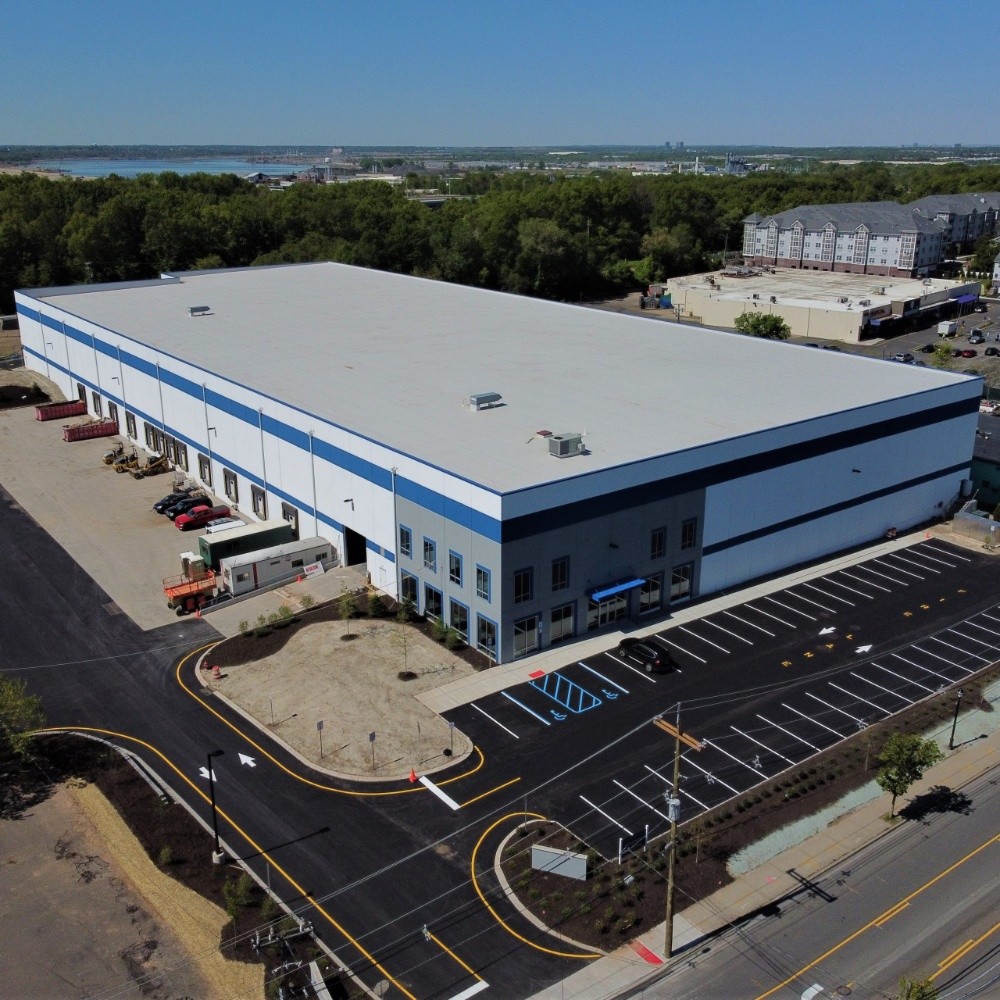
Preparation Before You Install Steel Building Components
Before starting to install steel building structures, proper preparation is critical. Every successful project begins with detailed planning, engineering drawings, and site inspection.
Key preparation steps include:
Checking foundation dimensions and anchor bolt positions
Verifying steel component specifications
Preparing lifting equipment
Organizing installation teams
Ensuring safety training is completed
When teams prepare correctly, the process to install steel building systems becomes faster and more predictable.
Another important factor is logistics planning. Since most prefabricated components are manufactured in factories, they must be transported and organized properly before crews begin to install steel building frames.
Step 1: Foundation Inspection Before You Install Steel Building Frames
The first step when preparing to install steel building structures is verifying the foundation. The concrete base must meet engineering tolerances because even small deviations can affect the final installation quality.
Installation teams usually check:
Foundation levelness
Anchor bolt alignment
Elevation accuracy
Concrete curing strength
Only after inspection approval should workers begin to install steel building columns. This step prevents structural alignment problems later in the process.
Step 2: Column Erection Process
After foundation approval, the next step to install steel building structures is erecting the main columns. Columns form the vertical support system and must be installed carefully.
Typical column installation includes:
Lifting columns using cranes
Temporary bolt connections
Vertical alignment adjustment
Temporary bracing installation
During this stage, crews carefully measure alignment because accurate positioning ensures the rest of the install steel building process proceeds smoothly.
Step 3: Beam Installation and Structural Framing
Once columns are secured, horizontal beams are installed to form the main frame. This is a key stage when teams install steel building structural systems.
Beam installation usually involves:
Crane lifting operations
High-strength bolt connections
Frame alignment adjustments
Stability checks
At this stage, the building begins to take its final shape. Professional teams often follow a sequence plan when they install steel building frames to maintain structural balance.
Step 4: Roof Structure Installation
After the primary frame is complete, crews continue to install steel building roof systems. Roof purlins and bracing components are installed to strengthen the structure.
Roof installation tasks include:
Installing purlins
Adding roof bracing
Checking structural spacing
Preparing for panel installation
A properly executed roof frame ensures the install steel building process maintains structural integrity and prepares the building for enclosure.
Step 5: Wall and Roof Panel Installation
The enclosure phase begins once the structural frame is complete. Teams then install steel building wall panels and roofing sheets.
Common enclosure materials include:
Corrugated steel sheets
Sandwich insulation panels
Metal wall cladding
Skylight panels
Fast installation is one major advantage when contractors install steel building enclosure systems because prefabricated panels are designed for quick assembly.
Step 6: Installing Doors, Windows, and Accessories
After the main enclosure is completed, workers continue to install steel building accessories such as:
Industrial doors
Ventilation systems
Windows
Gutters and downspouts
These finishing steps ensure the install steel building project becomes fully functional for industrial or commercial use.
Safety Considerations During Installation
Safety management is essential in every project that involves install steel building construction. Since steel installation involves working at height and heavy lifting, strict procedures must be followed.
Key safety practices include:
Using certified lifting equipment
Wearing personal protective equipment
Following crane operation rules
Installing temporary safety lines
Conducting daily safety inspections
Professional contractors understand that safe practices when they install steel building systems protect both workers and project timelines.
Why Professional Installation Matters
Although prefabricated construction simplifies assembly, professional experience is still necessary to properly install steel building systems.
Experienced installers provide:
Faster installation speed
Better alignment accuracy
Reduced material damage
Improved structural performance
Choosing experienced contractors ensures the decision to install steel building structures delivers maximum return on investment.