
Steel Factory Building Design Guide for Modern Manufacturing Facilities in 2026
As manufacturing industries continue to modernize, companies are placing greater emphasis on facility efficiency, scalability, and operational flexibility. One of the most effective solutions available today is the steel factory building. From automotive parts production and machinery manufacturing to food processing and electronics assembly, the steel factory building has become the preferred choice for industrial development worldwide.
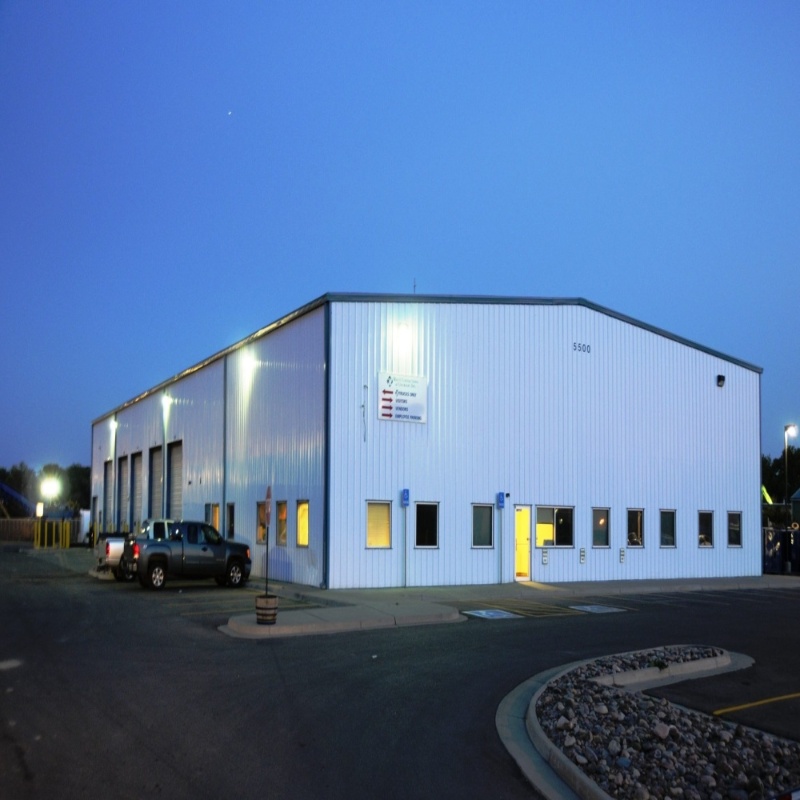
Unlike traditional concrete structures, a steel factory building offers faster construction, greater design flexibility, and lower long-term operating costs. For manufacturers seeking to improve production efficiency while maintaining investment control, understanding the design principles behind a steel factory building is essential.
What Is a Steel Factory Building?
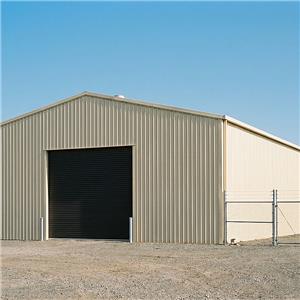
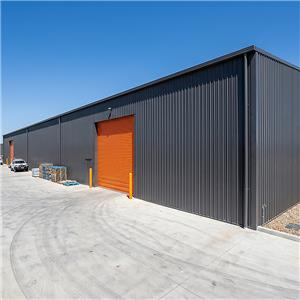
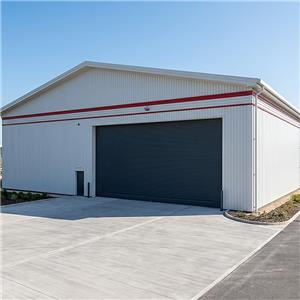
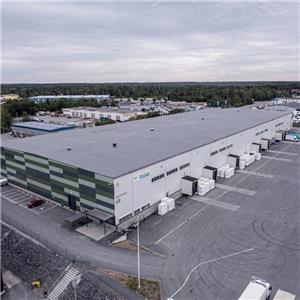
A steel factory building is an industrial structure primarily constructed using steel columns, beams, rafters, and supporting systems. These buildings are engineered to accommodate manufacturing equipment, production lines, material handling systems, and workforce requirements.
A typical steel factory building may include:
Production workshop area
Raw material storage zone
Finished goods warehouse
Office and administration space
Loading and unloading platforms
Crane systems
Utility and maintenance areas
The flexibility of a steel factory building allows it to adapt to various manufacturing processes and industry requirements.
Why Manufacturers Prefer a Steel Factory Building
The demand for steel factory building solutions continues to increase because they provide multiple operational advantages.
Faster Project Completion
One of the greatest benefits of a steel factory building is reduced construction time.
Because components are fabricated in advance, installation is significantly faster than traditional construction methods.
Benefits include:
Earlier production startup
Faster return on investment
Reduced construction risk
Lower financing expenses
Flexible Internal Layout
A modern steel factory building can achieve large clear spans with minimal interior columns.
This provides:
Better production line arrangement
Improved equipment positioning
More efficient workflow
Easier future modifications
Lower Lifecycle Cost
Although initial investment is important, the total lifecycle cost of a steel factory building is often lower due to:
Reduced maintenance
Easier upgrades
Better energy efficiency
Longer service life
Key Design Considerations for a Steel Factory Building
Production Process Requirements
Every steel factory building should begin with a clear understanding of manufacturing operations.
Questions to consider:
What products will be manufactured?
What equipment will be installed?
How will materials move through the facility?
Are overhead cranes required?
The answers directly influence steel factory building design.
Building Span and Height
The dimensions of a steel factory building significantly affect operational efficiency.
Common considerations include:
Production line length
Equipment clearance
Material storage requirements
Future expansion plans
A properly designed steel factory building balances space utilization and construction cost.
Crane System Integration
Many manufacturing facilities require overhead cranes.
A crane-equipped steel factory building must account for:
Crane capacity
Runway beam design
Dynamic loading
Safety clearance
Integrating cranes during initial design avoids costly modifications later.
Structural Components of a Steel Factory Building
A typical steel factory building consists of several structural systems.
Primary Structure
Includes:
Steel columns
Main beams
Roof rafters
These components carry the primary loads.
Secondary Structure
Includes:
Purlins
Girts
Bracing systems
These elements improve stability and support cladding systems.
Roof and Wall Systems
A steel factory building can utilize:
Single steel sheets
EPS sandwich panels
Rock wool panels
PU insulated panels
Material selection depends on climate and operational requirements.
Ventilation and Environmental Control
Proper ventilation is critical for any steel factory building.
Benefits include:
Improved worker comfort
Better air quality
Reduced equipment overheating
Increased productivity
Common solutions include:
Ridge ventilators
Wall louvers
Exhaust systems
Natural airflow design
A well-ventilated steel factory building supports long-term operational efficiency.
Energy Efficiency in Steel Factory Building Design
Modern manufacturers increasingly focus on sustainability.
An energy-efficient steel factory building may include:
Insulated wall systems
High-performance roofing
Natural lighting systems
Solar-ready roof structures
Smart energy management
These features reduce operating costs and improve environmental performance.
Cost Factors of a Steel Factory Building
Several variables influence steel factory building cost.
Structural Steel Quantity
The amount of steel used directly affects project budget.
Building Dimensions
Larger steel factory building projects require more materials and engineering.
Equipment Requirements
Heavy machinery and cranes increase structural complexity.
Insulation and Finishes
Premium materials improve performance but increase initial investment.
Understanding these factors helps investors evaluate steel factory building quotations accurately.
Common Mistakes in Steel Factory Building Projects
Many projects encounter avoidable problems due to poor planning.
Common mistakes include:
Ignoring Future Expansion
A steel factory building should allow for future production growth.
Poor Workflow Design
Inefficient layouts reduce productivity.
Underestimating Utility Requirements
Power, ventilation, and process systems must be integrated early.
Choosing Suppliers Based Only on Price
The lowest-cost steel factory building is not always the most economical over time.
How to Choose the Right Steel Factory Building Supplier
A professional supplier should offer:
Engineering expertise
Manufacturing capability
Quality control systems
Export experience
Installation guidance
Experienced steel factory building manufacturers help minimize risk and improve project outcomes.
Future Trends in Steel Factory Building Development
The future of the steel factory building industry is driven by innovation.
Emerging trends include:
Smart Manufacturing Facilities
Digital integration improves operational control.
Modular Factory Expansion
Allows facilities to grow efficiently.
Sustainable Construction
Environmental standards continue influencing steel factory building design.
Automated Production Systems
Future steel factory building projects will increasingly support robotics and automation.
Why Steel Factory Building Demand Will Continue Growing
Global industrial development remains strong, particularly in:
Africa
Middle East
Southeast Asia
Latin America
As businesses seek efficient production facilities, the steel factory building will continue to be a preferred solution.
Conclusion
The steel factory building has become an essential component of modern manufacturing infrastructure. Its advantages in speed, flexibility, durability, and operational efficiency make it an ideal choice for industrial projects of all sizes.
Companies that invest in a professionally designed steel factory building gain a competitive advantage through lower costs, better productivity, and stronger long-term growth potential.