
Metal Warehouse Building vs Concrete Warehouse: Which One Saves More Money in 2026?
When planning a new warehouse project, investors often face an important decision: should they choose a traditional concrete structure or a metal warehouse building? While both options can provide storage and operational space, their costs, construction timelines, maintenance requirements, and long-term performance differ significantly.
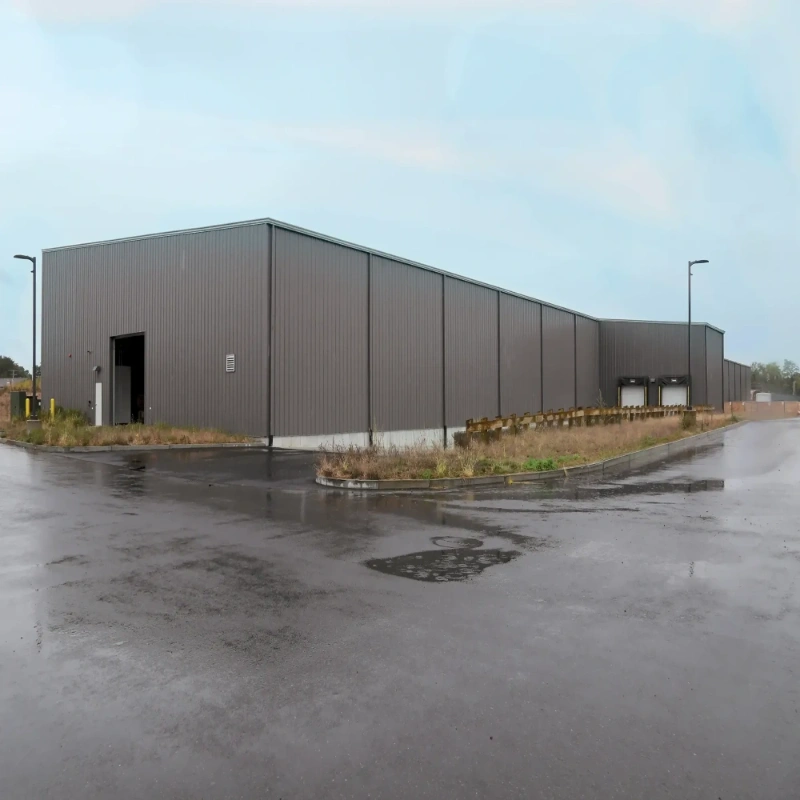
In recent years, the global logistics and industrial sectors have increasingly favored the metal warehouse building because of its flexibility and cost efficiency. However, understanding the differences between a metal warehouse building and a concrete warehouse is essential before making a major investment.
Understanding the Metal Warehouse Building
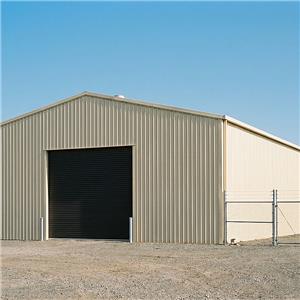
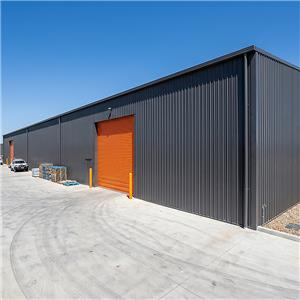
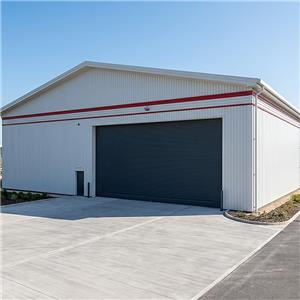
A metal warehouse building is a structure primarily constructed using steel framing systems combined with roof and wall cladding.
Typical components include:
Steel columns
Steel beams
Roof panels
Wall panels
Bracing systems
Connection hardware
Because most components are prefabricated, a metal warehouse building can be manufactured and installed much faster than conventional construction.
Understanding Concrete Warehouse Construction
Concrete warehouses use reinforced concrete columns, beams, walls, and slabs as their primary structural system.
These buildings are commonly used for:
Heavy industrial facilities
Urban commercial developments
Specialized storage environments
While concrete structures offer certain advantages, they often require longer construction periods and higher labor input compared to a metal warehouse building.
Construction Speed Comparison
One of the most significant advantages of a metal warehouse building is construction speed.
Metal Warehouse Building
Advantages include:
Factory fabrication
Minimal on-site processing
Faster installation
Less weather dependency
A typical metal warehouse building may be completed 30%–50% faster than a concrete alternative.
Concrete Warehouse
Concrete construction requires:
Formwork installation
Reinforcement placement
Concrete pouring
Curing time
These steps increase project duration significantly.
For businesses seeking rapid expansion, the metal warehouse building offers a clear advantage.
Initial Investment Comparison
Many buyers assume concrete is always cheaper, but this is not necessarily true.
Metal Warehouse Building Cost
Factors include:
Structural steel
Roof systems
Wall systems
Fabrication
Installation
Concrete Warehouse Cost
Factors include:
Cement
Reinforcement steel
Formwork
Labor
Longer project schedules
In many industrial applications, the metal warehouse building delivers a lower overall project cost.
Foundation Requirements
Foundation cost plays an important role in total investment.
A metal warehouse building is significantly lighter than a concrete structure.
Benefits include:
Smaller foundations
Reduced excavation
Lower concrete consumption
As a result, the metal warehouse building often achieves substantial savings in site preparation and foundation work.
Interior Space Efficiency
Warehouse efficiency depends heavily on usable floor area.
Metal Warehouse Building
Large clear spans allow:
Fewer interior columns
Better forklift movement
More storage capacity
Flexible layouts
Concrete Warehouse
More columns may be required depending on design.
For logistics and warehousing operations, a metal warehouse building often provides greater operational efficiency.
Expansion and Future Flexibility
Business needs change over time.
A metal warehouse building offers exceptional flexibility for future expansion.
Advantages include:
Easier building extensions
Faster modifications
Reduced operational disruption
Expanding a concrete warehouse is generally more complex and expensive.
Maintenance Costs
Long-term maintenance is often overlooked when comparing construction options.
Metal Warehouse Building
Modern protective coatings provide:
Corrosion resistance
Weather protection
Long service life
Maintenance is generally predictable and manageable.
Concrete Warehouse
Potential issues include:
Cracking
Water infiltration
Surface deterioration
Structural repairs
In many cases, maintenance costs for a metal warehouse building are lower over the building's lifetime.
Environmental Impact
Sustainability is becoming increasingly important.
Metal Warehouse Building
Benefits include:
Recyclable materials
Reduced construction waste
Efficient material utilization
Concrete Warehouse
Concrete production generates significant carbon emissions.
For environmentally conscious investors, the metal warehouse building offers a more sustainable solution.
Performance in Different Industries
The metal warehouse building is particularly suitable for:
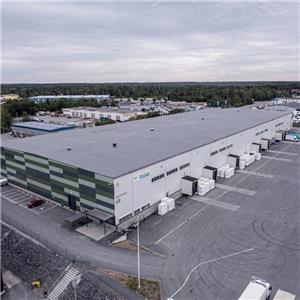
Logistics Centers
Large spans improve storage efficiency.
Manufacturing Facilities
Flexible layouts support production changes.
Agricultural Storage
Fast construction supports seasonal operations.
Distribution Warehouses
Rapid installation accelerates market expansion.
These industries often benefit more from a metal warehouse building than traditional construction.
Technology and Innovation
Modern engineering continues improving the performance of the metal warehouse building.
New developments include:
BIM design systems
High-strength steel
Energy-efficient cladding
Smart warehouse integration
These innovations further increase the value of the metal warehouse building.
Common Misconceptions About Metal Warehouse Building Projects
"Steel Buildings Rust Easily"
Modern coating systems provide excellent corrosion protection.
"Concrete Is Always Stronger"
Properly engineered metal warehouse building systems achieve exceptional structural performance.
"Steel Buildings Are Temporary"
Many metal warehouse building projects operate successfully for decades.
Understanding these facts helps buyers make informed decisions.
Which Option Saves More Money?
When evaluating:
Construction speed
Foundation cost
Maintenance expenses
Expansion flexibility
Operational efficiency
The metal warehouse building frequently delivers better long-term value than a conventional concrete warehouse.
While every project is unique, many industrial investors find that a metal warehouse building provides the strongest return on investment.