
Why Prefabricated Warehouse Building Is Transforming Modern Industrial Construction
The global construction industry is experiencing a major shift toward faster, more efficient, and more sustainable building methods. Among the most significant innovations is the prefabricated warehouse building, which has become a preferred choice for businesses seeking rapid expansion and cost-effective infrastructure.
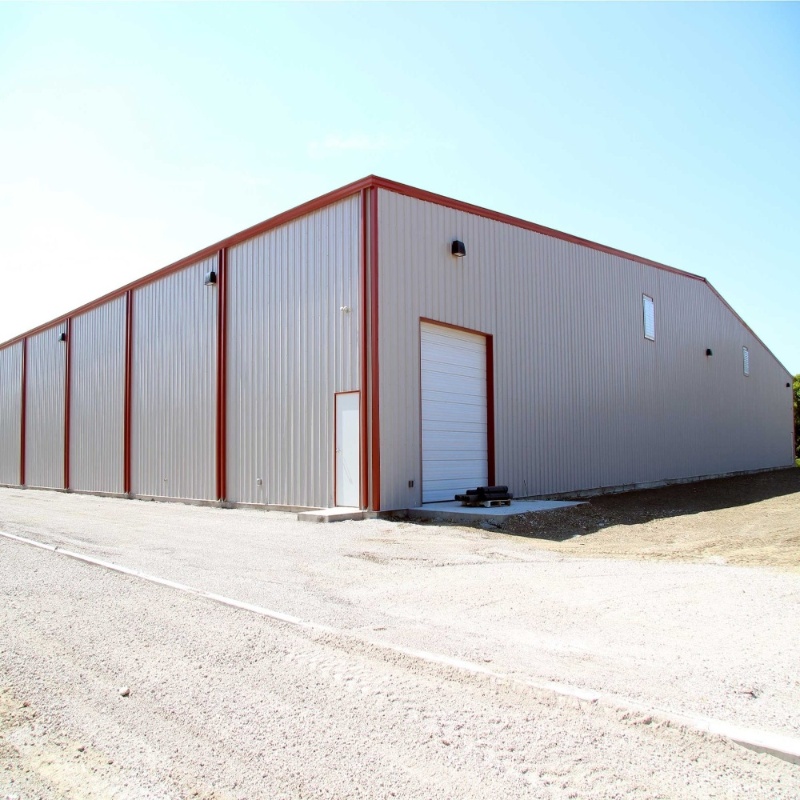
From logistics centers and manufacturing plants to agricultural storage facilities and distribution hubs, the prefabricated warehouse building is helping companies reduce construction time while maintaining high structural quality. As market competition increases and operational efficiency becomes more important, more investors are choosing a prefabricated warehouse building instead of traditional concrete structures.
What Is a Prefabricated Warehouse Building?
A prefabricated warehouse building is a structure whose primary components are manufactured in a factory before being delivered to the project site for assembly.
These components typically include:
Steel columns
Steel beams
Roof panels
Wall panels
Bracing systems
Fasteners and connection components
Because the prefabricated warehouse building is manufactured under controlled factory conditions, it achieves higher precision and quality consistency than conventional construction methods.
Why Businesses Choose a Prefabricated Warehouse Building
The popularity of the prefabricated warehouse building is driven by practical business advantages.
Faster Construction
One of the biggest benefits of a prefabricated warehouse building is speed.
Traditional concrete buildings often require months of site work. In contrast, a prefabricated warehouse building can reduce construction time by 30% to 50%.
This allows businesses to:
Start operations earlier
Reduce financing costs
Generate revenue faster
Better Cost Control
The prefabricated warehouse building provides predictable pricing because most fabrication occurs before site construction begins.
This reduces:
Labor uncertainty
Material waste
Project delays
As a result, investors gain better control over total project costs.
Structural Advantages of a Prefabricated Warehouse Building
A modern prefabricated warehouse building offers excellent structural performance.
High Strength
Steel frames provide outstanding load-bearing capacity.
Long Service Life
A professionally designed prefabricated warehouse building can operate for 30–50 years or longer with proper maintenance.
Wind Resistance
Many prefabricated warehouse building projects are designed to withstand strong winds and severe weather.
Earthquake Performance
Steel structures perform exceptionally well in seismic zones due to their flexibility and strength.
Applications of Prefabricated Warehouse Building
The versatility of the prefabricated warehouse building makes it suitable for many industries.
Logistics Centers
The large open spans of a prefabricated warehouse building maximize storage efficiency.
Manufacturing Facilities
Factories benefit from flexible layouts and easy equipment installation.
Agricultural Storage
Farm operators use prefabricated warehouse building systems for grain storage, machinery protection, and livestock facilities.
Wholesale Distribution
A prefabricated warehouse building supports fast inventory movement and supply chain operations.
Design Flexibility of a Prefabricated Warehouse Building
Modern engineering allows every prefabricated warehouse building to be customized according to project requirements.
Customizable elements include:
Building width
Building length
Eave height
Roof slope
Door locations
Window arrangements
Crane systems
Insulation packages
This flexibility ensures that each prefabricated warehouse building matches operational needs.
Energy Efficiency Benefits
Energy costs are becoming increasingly important for warehouse operators.
A modern prefabricated warehouse building can incorporate:
PU sandwich panels
Rock wool insulation
Energy-efficient roofing systems
Natural lighting solutions
Ventilation systems
These features reduce operating costs and improve workplace comfort.
Factors Affecting Prefabricated Warehouse Building Cost
Several variables influence the cost of a prefabricated warehouse building.
Size
Larger buildings require more materials but often reduce cost per square meter.
Insulation Requirements
Insulated prefabricated warehouse building systems cost more initially but reduce long-term energy expenses.
Structural Loads
Wind, snow, and seismic requirements affect engineering and material consumption.
Interior Features
Mezzanines, cranes, office spaces, and specialized equipment increase project cost.
How to Choose the Right Prefabricated Warehouse Building Supplier
Selecting the right supplier is critical.
A professional prefabricated warehouse building manufacturer should provide:
Engineering support
Structural calculations
Manufacturing capability
Export experience
Installation guidance
Quality certifications
Buyers should evaluate technical expertise rather than focusing solely on price.
Common Mistakes When Purchasing a Prefabricated Warehouse Building
Avoid these common errors:
Choosing Only the Lowest Price
A very low-cost prefabricated warehouse building may result in poor materials or inadequate engineering.
Ignoring Expansion Needs
Future growth should be considered during the initial design phase.
Underestimating Logistics
Transportation planning affects both project schedule and cost.
Neglecting Local Regulations
Every prefabricated warehouse building should comply with local building codes.
Future Trends in Prefabricated Warehouse Building
The future of the prefabricated warehouse building industry is shaped by technology and sustainability.
Emerging trends include:
Smart warehouse integration
Automated storage systems
BIM-based design
Solar-ready roofing
Modular expansion systems
These innovations continue improving the value of a prefabricated warehouse building.
Why Prefabricated Warehouse Building Demand Will Continue Growing
Global demand for warehousing and industrial space continues to increase.
The prefabricated warehouse building meets the market's need for:
Speed
Cost efficiency
Flexibility
Sustainability
Scalability
For many businesses, it represents the most practical solution available.