
Steel Workshop Building: A Practical Solution for Modern Industrial Production
A steel workshop building has become one of the most practical choices for modern industrial production. Whether the project is used for machinery manufacturing, metal processing, vehicle maintenance, equipment assembly, or light industrial production, a steel workshop building can provide strong structural performance, flexible interior space, and faster construction compared with many traditional building methods.
For business owners, a workshop is not only a place for production. It directly affects workflow, equipment layout, worker efficiency, safety management, and long-term operating costs. This is why choosing the right steel workshop building design is important before starting any industrial project.
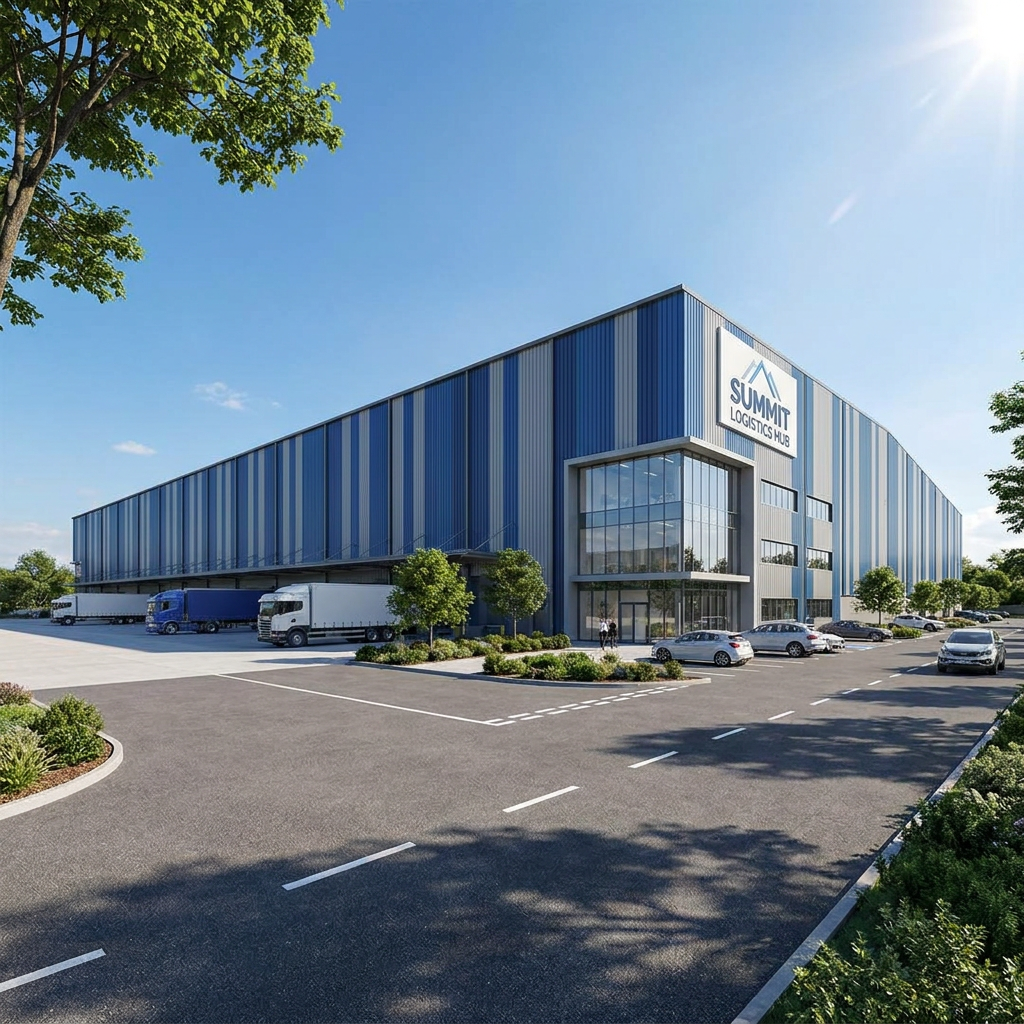
What Is a Steel Workshop Building?
A steel workshop building is an industrial facility mainly built with steel columns, steel beams, roof purlins, wall girts, bracing systems, roof panels, and wall panels. The main steel frame supports the entire structure, while the roof and wall system protects the workshop from wind, rain, sunlight, and temperature changes.
Unlike traditional concrete buildings, many parts of a steel workshop building are prefabricated in the factory. After production, the components are shipped to the project site and assembled according to installation drawings. This process helps reduce construction time and improves quality control.
Why Steel Workshop Building Is Popular
The popularity of the steel workshop building comes from its strong combination of cost control, speed, and flexibility.
Faster Construction
For industrial companies, time is directly connected to profit. A delayed factory or workshop means delayed production. Since the steel components are fabricated before arriving on site, a steel workshop building can usually be installed faster than a traditional concrete structure.
This helps companies start production earlier and reduce project waiting time.
Flexible Production Layout
A steel workshop building can be designed with large clear spans and fewer internal columns. This creates an open working space for production lines, machinery movement, forklifts, cranes, and storage areas.
For manufacturers, this flexibility is very valuable because production processes may change over time. A well-designed steel workshop building allows the company to adjust the layout more easily.
Strong Structural Performance
Industrial workshops often need to support heavy equipment, high doors, ventilation systems, and sometimes overhead cranes. A professional steel workshop building can be engineered according to actual loads, wind conditions, seismic requirements, and operational demands.
With proper design and material selection, a steel workshop building can provide reliable performance for many years.
Main Applications of Steel Workshop Building
A steel workshop building can be used in many industries.
Common applications include:
Machinery manufacturing workshop
Metal fabrication workshop
Automobile repair workshop
Equipment assembly workshop
Welding and cutting workshop
Agricultural machinery workshop
Industrial processing plant
Maintenance and service workshop
Because each industry has different production requirements, the steel workshop building should be customized according to actual use.
Key Design Factors for a Steel Workshop Building
1. Building Size
The length, width, and height should be decided according to production needs. If the workshop needs large machines or tall equipment, the eave height must be planned carefully.
A larger steel workshop building may have a lower cost per square meter in some cases, but unnecessary space can increase investment and maintenance costs. The best design should balance current production and future expansion.
2. Clear Span Requirement
A clear-span steel workshop building provides open space without internal columns. This is useful for production lines, large equipment, and heavy material movement.
However, larger spans may require stronger steel members. Buyers should discuss span requirements with engineers to achieve a balance between usability and cost.
3. Crane System
Many industrial workshops need overhead cranes. If the steel workshop building includes a crane, the structure must be designed for crane load, dynamic force, runway beams, and safety clearance.
Adding a crane after the workshop is completed can be expensive. It is better to confirm crane requirements during the design stage.
4. Roof and Wall Materials
The roof and wall system affects cost, insulation, appearance, and indoor comfort. Common options include single steel sheets, EPS sandwich panels, rock wool sandwich panels, and PU sandwich panels.
For hot climates, cold regions, or workshops with temperature requirements, insulated panels can improve working conditions and reduce energy costs.
5. Ventilation and Lighting
A good steel workshop building should consider natural ventilation and daylight. Proper ventilation helps remove heat, dust, smoke, and production odors. Skylights or translucent panels can reduce daytime lighting costs.
For welding, painting, or high-temperature production, mechanical ventilation may be necessary.
How to Control Steel Workshop Building Cost
Cost control should begin with design. A professional supplier can optimize the steel workshop building structure by selecting suitable column spacing, roof slope, panel system, and steel grade.
Buyers can control cost by:
Avoiding unnecessary building height
Choosing reasonable span design
Confirming crane requirements early
Selecting suitable insulation materials
Planning future expansion in advance
Comparing quotations by technical specifications
The lowest price is not always the best choice. A steel workshop building with poor design or weak materials may create higher maintenance costs later.
How to Choose a Steel Workshop Building Supplier
A reliable supplier should provide more than steel materials. The supplier should offer engineering design, fabrication, quality inspection, surface treatment, packing, shipping, and installation guidance.
Before choosing a supplier, buyers should check:
Engineering capability
Factory production capacity
Steel material certificates
Welding quality control
Surface treatment standards
Export project experience
Installation drawing quality
A professional supplier can help reduce project risk and improve construction efficiency.
FAQ
Is a steel workshop building suitable for heavy machinery?
Yes. A steel workshop building can be designed for heavy machinery, crane systems, and industrial production loads if the requirements are confirmed during the design stage.
Can the workshop be expanded later?
Yes. Steel structures are suitable for future expansion. It is better to plan the expansion direction before the first phase of construction.
What roof panel is suitable for a workshop?
For basic workshops, single steel sheets may be enough. For better insulation and comfort, sandwich panels such as rock wool or PU panels are more suitable.
How long can a steel workshop building last?
With proper design, quality materials, anti-corrosion treatment, and regular maintenance, a steel workshop building can serve for decades.
Conclusion
A steel workshop building is a strong, flexible, and cost-effective solution for modern industrial production. It supports fast construction, efficient layouts, crane systems, future expansion, and long-term business growth.
For manufacturers, repair centers, processing plants, and industrial investors, choosing a professionally designed steel workshop building can improve productivity and reduce long-term operating costs. The key is to work with an experienced supplier who understands engineering, fabrication, quality control, and overseas project requirements.