
How to Construct Agricultural Storage Buildings: Steel Warehouse Solutions are at the Forefront of Modern Farming
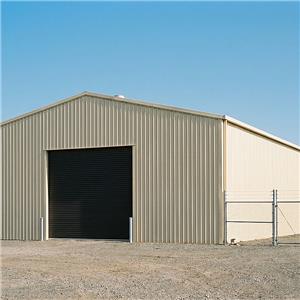
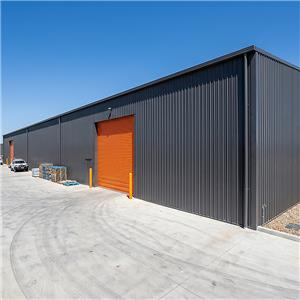
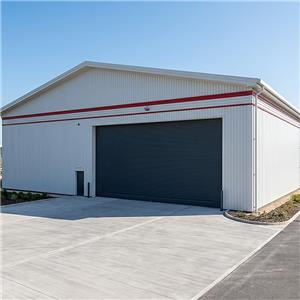
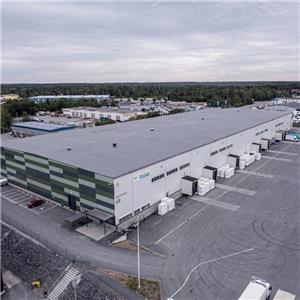
With agricultural production having evolved into bigger, more automated and system robotic processes, the old brick or wooden storage facilities are simply not enough anymore. Today, the steel agriculture building is a cost-control answer to any type of farm storage: equipment – hay – crop – seed... anything. With it's structural integrity,quick and easy installation, the steel warehouse is now widely used as a long service life large agricultural warehouses.
So what can you do to construct a practical and durable agricultural warehouse? The following is a step-by-step guide to every aspect of planning and building a steel warehouse that properly suits the real farming needs.
The Purpose of the Steel Warehouse Detailing
The very first step in construction an agricultural steel warehouse is determining its intended use. Various farming applications affect building dimensions, design of the steel structure and layout.
A steel building for grain storage has to be able to accommodate ventilation, moisture c... For the storage of agricultural equipment, you need clear spans, high eaves and large door openings. In crop separation or processing, a steel warehouse will have to have some room for equipment, utilities and internal movement.
The clear functional planning provides the flexibility to operate an efficient agricultural business out of the steel warehouse without it becoming short sighted and does not take some of these critical features for granted, avoiding expensive future changes.
Site Selection and Foundation Planning
Agricultural warehouse steel buildings are often situated in and around farm fields or production areas so the correct location on your property is also crucial to maximize your investment. A level, well-drained site that is easily accessible to vehicles and equipment is required.
The soil condition should be assessed for the proper type of foundation before proceeding with a construction. The steel warehouse building relies on a good foundation design to achieve stability during use.
Structural Design Tailored for Agriculture
A steel warehouse is desirable from a structure standpoint. Large clear spans minimize the number of interior columns, allowing for easier movement with equipment and storage of agricultural materials.
Doors and windows system for steel warehouse According to local climate needs to consider the insulation performance of Windows and doors. As much as corrosion protection is important in humid and coastal areas. In areas with a higher wind or snow load, the steel warehouse needs to be designed to carry more accordingly.
Careful consideration in the design of building systems, combined with high quality components and materials, prevent structural failure as this steel building operates in an agricultural environment.
Ventilation and Daylighting Systems
Ventilation is an important concern to ensure product quality and equipment state within a steel storage. Inadequate airflow can result in moisture damage, mold growth or spoilage of crops.
Standard types of ventilation include ridge vent, sidewall louvers and a natural flow opening. Skylights for warehouse and wall panels in a steel building minimize the necessity for artificial light, reducing energy costs during daylight hours.
These systems assist in making a more green and energy efficient farm steel building.
Quick Build with Prefabricated Steel Parts
Speed of Construction – One of the great benefits of having a steel building warehouse is the speed at which it can be constructed. The majority of steel pieces are prebuilt in factories and then are pieced together on site, minimizing the amount of labor involved and delays caused by weather.
For farmers, faster fill helps get the steel warehouse into service sooner accelerating the crop production schedule and reducing downtime during crucial growing seasons.
Durability and Low Maintenance
Steel Warehouses Compared with traditional agricultural buildings, pre engineered steel structures are highly resistant to weather—no matter how harsh it may be. Steel buildings are termite / crack resistant and therefore are perfect for permanent use in the agriculture industry.
Service life is along with such surface treatment and regular inspections virtually maintenance free in a steel shed. Farmers and agricultural businesses will realize a better ROI (Return On Investment) for the life of their trees due to reduced maintenance.
Expansion and Future Adaptability
Contemporary farming requires flexibility, and for that the steel shed has it all. Steel buildings are expandable and the number can be remodeled or redesign significantly without damage and breakdown to the existing sections.
Steel warehouses can also be modified to include insulation, solar panels, and automated equipment to keep pace with advances in agriculture technology.
Conclusion
Whether used to save time and money on field-harvested crops or store stable food supplies, this steel warehouse is the answer to cost effective production. The steel warehouse has many applications including storage of grain and crops, vehicle storage, livestock and hay storage serving as a cover for shelter habitat or even acting as a feedlot. With the incredible strength and durability of steels, it offers a long lasting maintenance free solution in meshing them with modern day farming techniques.
The decision to erect the steel warehouse will be influenced by what you select, and it is not just a construction call but an investment into productivity, efficiency, and sustainable agricultural development for years to come.