
Are Large-Span Steel Construction Buildings Expensive? Cost Factors You Should Know
With the continuous expansion of industrial facilities, logistics centers, and sports venues, large-span structures are becoming increasingly common. Many investors considering a steel construction building often ask an important question: does a large-span steel construction building cost significantly more than a standard structure?
The answer is not always straightforward. While a large-span steel construction building may require more advanced engineering, it can also reduce operational costs and improve space utilization. Understanding the cost structure of a steel construction building helps investors make more informed decisions.
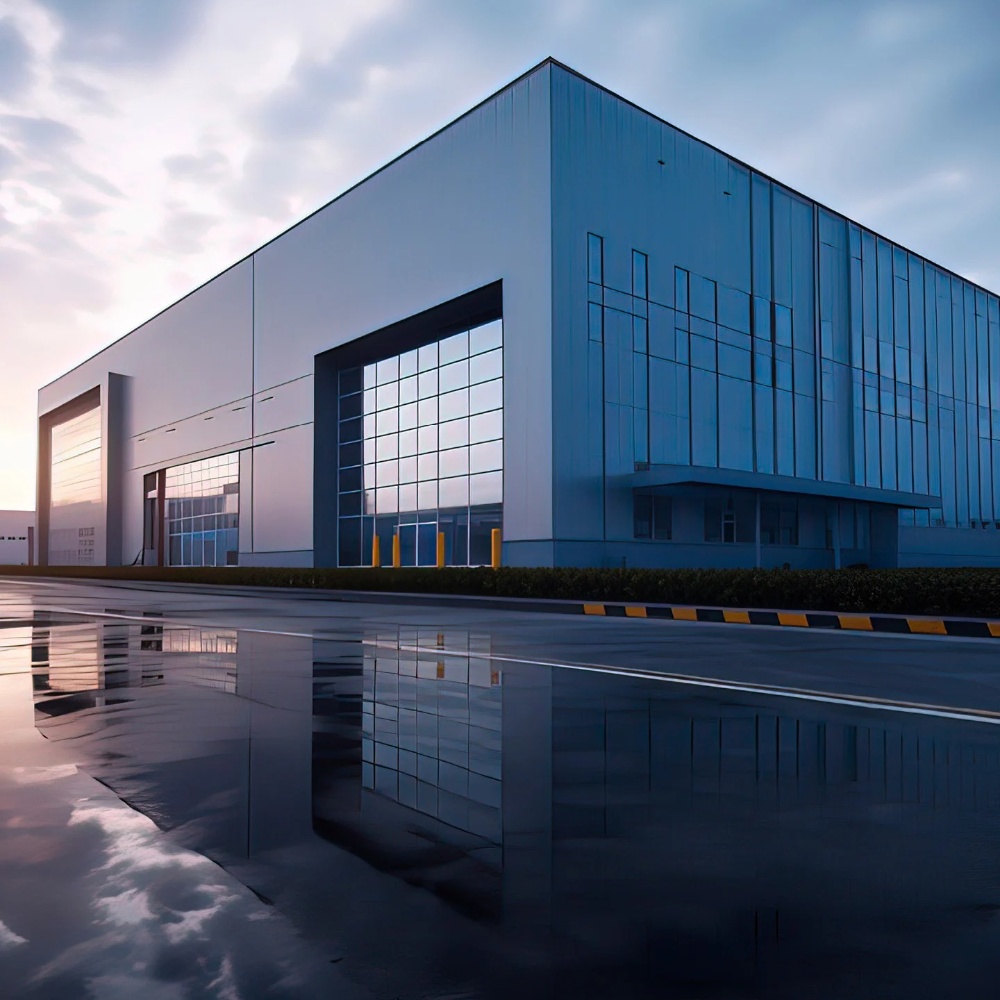
What Is a Large-Span Steel Construction Building?
A large-span steel construction building usually refers to a structure that requires wide column-free interior space. These buildings are commonly used for:
Industrial manufacturing plants
Logistics warehouses
Aircraft hangars
Sports arenas
Exhibition halls
The main advantage of a large-span steel construction building is the ability to maximize usable interior space without structural obstacles.
Why Large-Span Steel Construction Building Projects May Cost More
Some factors may increase the initial cost of a large-span steel construction building.
Higher Structural Design Requirements
A large-span steel construction building must be carefully engineered to maintain stability. This often requires stronger materials and precise calculations.
Heavier Steel Components
To support longer spans, a steel construction building may require larger beams or higher grade materials, which can increase material costs.
Advanced Fabrication Requirements
Manufacturing large-span steel construction building components often requires specialized fabrication equipment and strict quality control.
However, these factors do not always mean a steel construction building is less economical overall.
Cost Advantages of Large-Span Steel Construction Building Design
Despite potentially higher material costs, a large-span steel construction building often provides cost advantages in other areas.
Reduced Foundation Costs
Because a steel construction building is lighter than a concrete structure, foundation costs may be lower even for large-span projects.
Faster Construction Time
Prefabricated steel construction building components allow faster installation, reducing labor costs and project timelines.
Lower Long-Term Maintenance Costs
A well-protected steel construction building requires minimal maintenance compared to traditional structures.
Improved Space Efficiency
Without interior columns, a steel construction building allows flexible layout planning, which can increase operational efficiency.
Key Factors That Affect Steel Construction Building Costs
The total cost of a steel construction building depends on multiple project variables.
Important cost factors include:
Span Width
Larger spans generally require stronger structural members in a steel construction building.
Building Height
Taller steel construction building designs may require additional bracing and reinforcement.
Local Environmental Loads
Wind, snow, and seismic requirements all affect the engineering of a steel construction building.
Material Grade
Higher strength steel used in a steel construction building may increase initial cost but improve performance.
Roof and Wall Systems
The type of panels selected for a steel construction building also affects total cost.
How to Optimize the Cost of a Steel Construction Building
There are several ways to control the cost of a steel construction building without sacrificing quality.
Common optimization strategies include:
Choosing efficient structural designs
Selecting appropriate material grades
Optimizing column spacing
Using standardized components
Working with experienced manufacturers
Professional engineering support can help reduce unnecessary costs in a steel construction building project.
Comparing Steel Construction Building and Concrete Building Costs
Many buyers compare a steel construction building with traditional concrete construction.
Typical comparisons show:
Construction speed
A steel construction building is significantly faster to complete.
Material efficiency
A steel construction building often uses less structural material for the same span.
Flexibility
A steel construction building is easier to modify or expand.
Lifecycle cost
Although initial cost may be similar, the lifecycle cost of a steel construction building is often lower.
When a Large-Span Steel Construction Building Is the Best Investment
A large-span steel construction building is particularly valuable when:
Equipment requires open space
Storage efficiency is critical
Future expansion is planned
Fast construction is required
Operational flexibility is important
In these cases, the operational benefits of a steel construction building often outweigh the initial investment.
Future Trends in Large-Span Steel Construction Building Design
With improvements in steel technology and fabrication processes, large-span steel construction building projects are becoming more efficient.
Modern trends include:
High-strength steel materials
Optimized structural designs
Digital fabrication technology
Sustainable building materials
These developments help reduce the cost per square meter of a steel construction building while improving performance.
Conclusion
A large-span steel construction building may sometimes require a higher initial investment compared to smaller structures, but it often delivers better long-term value. With advantages such as flexible space usage, fast installation, and lower lifecycle maintenance costs, a steel construction building remains a competitive solution for modern industrial construction.
By working with experienced designers and manufacturers, investors can optimize their steel construction building projects to achieve both performance and cost efficiency. As demand for large industrial spaces continues to grow, the steel construction building will remain a key solution for companies seeking reliable and future-ready infrastructure.