
Steel Structure Building in the Philippines: What Typhoon Loads Actually Mean for Your Warehouse
Steel Structure Building Philippines: What Typhoon Loads Actually Mean for Your Warehouse
The Philippines sits in the most typhoon-active region on the planet. An average of 20 tropical cyclones enter the Philippine Area of Responsibility each year. Of those, roughly 7 to 9 make landfall, and several of those carry sustained winds exceeding 150 km/h. Typhoon Yolanda (Haiyan) in 2013 made landfall with gusts recorded at 315 km/h near Tacloban.
I mention the scale of typhoon risk not to be dramatic — it's directly relevant to how a steel structure building Philippines project must be engineered, but because of a pattern I've seen repeatedly in steel structure building Philippines inquiries: buyers specify the building, request a quote, and only ask about typhoon loads after the fabrication drawings are already done.
At that point, upgrading the structure to meet NSCP (National Structural Code of the Philippines) wind load requirements for Zone 4 is not a minor revision — it may require changing column sections, anchor bolt sizes, purlin spacing, and panel attachment details throughout the entire building.
Get the wind zone specification right before engineering begins. Everything else follows from it.
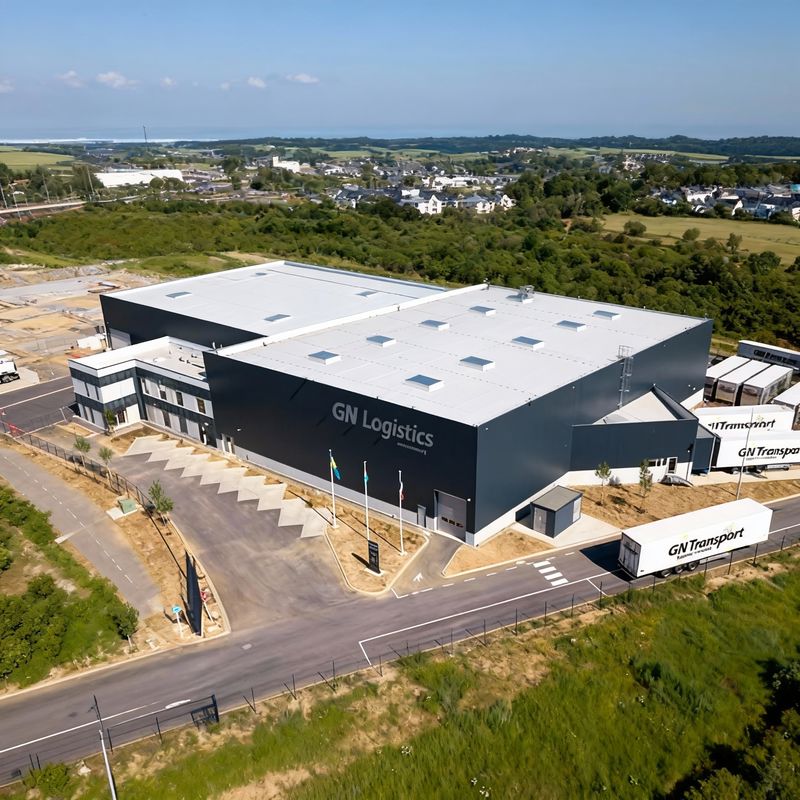
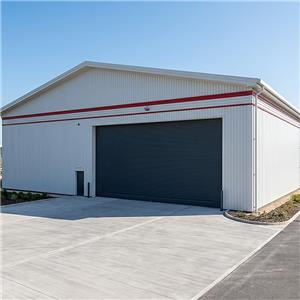
A steel structure building Philippines project in Visayas region — designed to NSCP Zone 4 requirements with 250 km/h basic wind speed and full uplift design on the roof panel attachment system.
The Philippine Wind Zone Map: Which Zone Is Your Project In?
The NSCP 2015 divides the Philippines into three main wind zones. Zone 1 (Southern Tagalog, Visayas, Bicol) requires a basic wind speed design of 250 km/h. Zone 2 (Northern Luzon, Central Luzon) requires 200 km/h. Zone 3 (Mindanao) requires 175 km/h.
If you are building a warehouse Philippines construction project in Leyte, your wind load requirement is more than double the requirement for a project in Davao. If your supplier is quoting a 'standard' structure without asking for your specific municipality, they are quoting a building that may not be legally compliant or structurally safe for your location.
How Typhoon Loads Change Typhoon Resistant Steel Building Design
It's a mistake to think that steel building wind load Philippines compliance is just about using 'thicker columns'. It's a system-wide engineering requirement.
1. The Uplift Problem
In a typhoon, the primary danger to a steel structure building Philippines is not the building being pushed over — it's the roof being sucked off. As wind moves over the roof, it creates massive upward pressure (uplift). Meeting Zone 4 requirements usually means doubling the number of self-tapping screws used to attach the roof panels to the purlins.
2. Foundation and Anchor Bolt Depth
Because of the uplift risk, the foundation for a prefab warehouse Philippines must act as a 'ballast'. The anchor bolts must be embedded deeper into the concrete footings, and the footings themselves must be larger and heavier than they would be in a non-typhoon region.
3. Purlin and Girt Spacing
Under high wind pressure, the wall and roof cladding panels will flex. To prevent permanent deformation or detachment, the spacing between the horizontal purlins (roof) and vertical girts (walls) must be reduced, typically from the standard 1.5m down to 1.2m or even 1.0m in high-risk zones.
The Cost of Safety in Warehouse Philippines Construction
Designing for Zone 4 (250 km/h) typically adds 15 to 25 percent to the total steel weight compared to a standard 120 km/h design. This is why some suppliers 'forget' to mention typhoon loads in their initial quotes — they want their steel structure building Philippines price to look as low as possible.
Our recommendation for any prefab warehouse Philippines buyer is simple: Request the structural calculation report (Design Calculation) from your supplier before you pay the deposit. Ensure it specifically mentions the NSCP 2015 code and the correct wind speed for your province.
If you have a site plan in the Philippines and need a code-compliant structural quote, contact our engineering team today. We have designed and delivered typhoon-resistant structures across Luzon, Visayas, and Mindanao.