
Steel Building Ventilation: How to Improve Airflow in Warehouses and Workshops
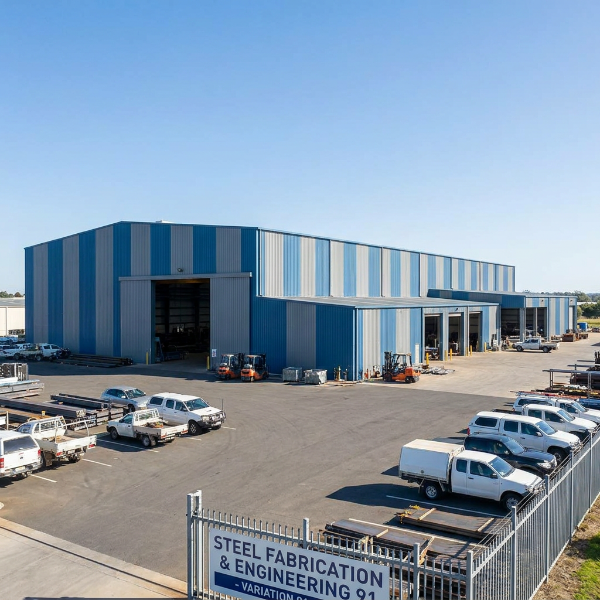
Good steel building ventilation is essential for warehouses, workshops, factories, logistics centers, agricultural buildings, and industrial facilities. A steel structure building may be strong, durable, and cost-effective, but if the ventilation system is not properly designed, the indoor environment can become hot, humid, dusty, and uncomfortable.
For many industrial projects, ventilation is not only about comfort. It also affects worker productivity, equipment performance, material storage quality, condensation control, and long-term building maintenance. This is why steel building ventilation should be considered during the early design stage, not after the building is completed.
Why Steel Building Ventilation Is Important
A steel building usually has a large enclosed space. In hot climates, sunlight can heat the roof and wall panels quickly. In factories and workshops, machinery, welding, painting, cutting, and production activities can also generate heat, smoke, dust, and humidity.
Without proper steel building ventilation, problems may include:
High indoor temperature
Poor air quality
Condensation on roof panels
Rust risk on steel components
Worker discomfort
Lower production efficiency
Damage to stored goods
Increased energy cost
A well-designed ventilation system helps fresh air enter the building and allows hot or polluted air to escape efficiently.
Common Ventilation Solutions for Steel Buildings
Different projects require different steel building ventilation methods. The best solution depends on building size, location, climate, production process, roof design, and budget.
1. Ridge Ventilation
Ridge ventilation is commonly installed along the roof ridge. Since hot air naturally rises, ridge vents allow warm air to escape from the highest point of the building.
This method is suitable for warehouses, agricultural buildings, workshops, and storage facilities. It is simple, energy-saving, and effective when combined with wall openings or louvers.
2. Wall Louvers
Wall louvers allow outside air to enter or exit the building while reducing direct rainwater entry. They can be installed on side walls or gable walls according to airflow direction.
Wall louvers are often used together with roof vents to create natural air circulation. For many steel buildings, this is one of the most economical ventilation solutions.
3. Exhaust Fans
For workshops, factories, or buildings with heat-producing equipment, exhaust fans can remove hot air, smoke, dust, or odors more effectively.
Mechanical exhaust systems are useful for:
Welding workshops
Painting areas
Machinery production
Food processing facilities
High-temperature industrial buildings
Compared with natural ventilation, exhaust fans provide stronger airflow control.
4. Skylights and Translucent Panels
Although skylights are mainly used for natural lighting, they can also support ventilation when combined with openable roof windows or ventilation units. Translucent panels reduce the need for artificial lighting during the day, but heat control should be considered in hot climates.
5. Large Industrial Doors
Large sliding doors, rolling doors, or sectional doors can improve airflow when opened during working hours. For logistics warehouses and workshops with frequent truck access, door placement can also influence natural ventilation.
Natural Ventilation vs Mechanical Ventilation
Both natural and mechanical systems are widely used in steel building ventilation.
Natural Ventilation
Natural ventilation uses wind pressure and temperature differences to move air through the building. It is energy-saving and suitable for many warehouses and agricultural storage buildings.
Advantages include:
Lower operating cost
Simple maintenance
No major power consumption
Suitable for large open spaces
However, natural ventilation may not be enough for heavy industrial production or extremely hot climates.
Mechanical Ventilation
Mechanical ventilation uses fans, exhaust systems, and air circulation equipment to control airflow. It is more suitable for factories, workshops, and buildings with strict air quality requirements.
Advantages include:
Stronger airflow control
Better heat removal
Suitable for production areas
More stable indoor environment
The best steel building ventilation design may combine both natural and mechanical methods.
How Climate Affects Steel Building Ventilation Design
Hot Climate
In hot regions, ventilation should focus on heat removal. Roof insulation, reflective panels, ridge vents, wall louvers, and exhaust fans can work together to reduce indoor temperature.
Humid Climate
In humid areas, ventilation helps control moisture and reduce condensation. Proper airflow is important to protect steel components, stored goods, and insulation materials.
Cold Climate
In cold regions, ventilation should be balanced with insulation. Too much airflow may increase heating costs, while poor ventilation can cause condensation. A controlled ventilation design is usually better.
Coastal Area
Coastal areas often have high humidity and salt exposure. In addition to ventilation, anti-corrosion coatings and proper maintenance are important for long-term performance.
Ventilation Design for Different Steel Building Applications
Warehouse
A warehouse needs stable airflow to protect stored goods and reduce indoor heat. Ridge vents, wall louvers, and large doors are often suitable.
Workshop
A workshop may need stronger steel building ventilation because of production heat, smoke, dust, and equipment operation. Exhaust fans and local ventilation systems may be required.
Factory
Factories should design ventilation according to the production process. Food processing, metal fabrication, chemical storage, and assembly production may have different air quality requirements.
Agricultural Building
Agricultural steel buildings often require ventilation to protect crops, feed, livestock, or machinery. Natural ventilation is commonly used, but mechanical fans may be added when necessary.
Common Mistakes in Steel Building Ventilation
Many ventilation problems happen because design is considered too late.
Common mistakes include:
Not considering local climate
Using too few vents
Poor louver placement
Ignoring production heat
No moisture control plan
Lack of roof insulation
Depending only on doors for airflow
A professional supplier should discuss steel building ventilation requirements before finalizing the building design.
How Ventilation Affects Building Cost
Ventilation systems can affect the total project cost, but poor ventilation may create higher long-term expenses. A building with bad airflow may require more fans later, more maintenance, higher energy consumption, or repairs caused by condensation.
Good steel building ventilation is an investment in building performance. It improves working conditions, protects materials, and reduces operational risks.
FAQ
Does every steel building need ventilation?
Yes. Every steel building needs some level of ventilation. The required system depends on building use, climate, and indoor activities.
Is natural ventilation enough for a warehouse?
For many storage warehouses, natural ventilation may be enough. For workshops or factories with heat, smoke, or dust, mechanical ventilation is usually recommended.
Can ventilation reduce condensation?
Yes. Proper airflow helps reduce moisture buildup and condensation, especially when combined with insulation and good roof design.
When should ventilation be planned?
Steel building ventilation should be planned during the design stage, before production and installation.
Conclusion
Steel building ventilation plays an important role in comfort, safety, energy efficiency, and long-term building performance. A good ventilation system helps remove heat, moisture, smoke, dust, and polluted air while improving the indoor environment.
For warehouses, workshops, factories, agricultural buildings, and logistics centers, ventilation should be designed according to building use, climate conditions, roof structure, wall openings, and production requirements. Working with an experienced steel structure supplier can help buyers choose the right steel building ventilation solution and avoid costly problems after construction.