
Why We Tell Clients to Stop Comparing Steel Building Prices Per Square Meter
Why We Tell Clients to Stop Comparing Steel Building Price per Square Meter
About once a month, someone sends us a competitor's quote and asks us to match it. The quote is always cheaper — sometimes by 15 percent, sometimes by 35 percent. And almost every time, when I look at what's actually specified in the competing document, I understand immediately why the number is what it is.
The steel building price per square meter metric is genuinely useful for rough budget planning. It's useless for comparing actual quotes. And the gap between those two uses causes more project problems than almost anything else we deal with.
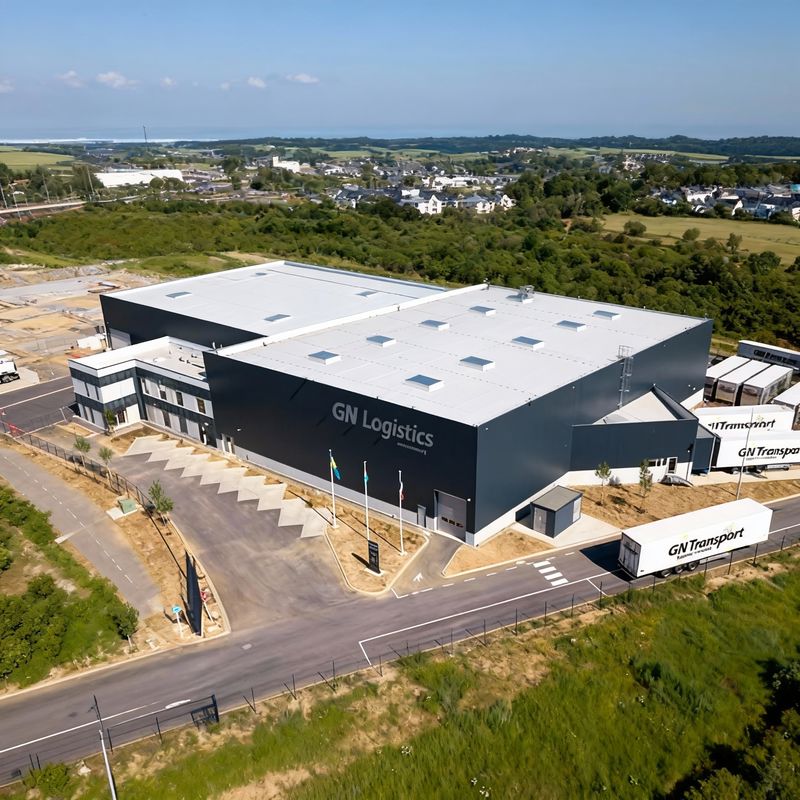
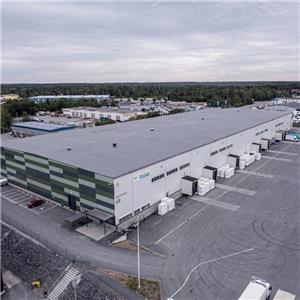
Two warehouses, same floor area, same headline steel building price per square meter — but completely different steel weights, panel specs, and service lives. The number tells you almost nothing on its own.
The Number Behind Steel Building Price per Square Meter
Primary frame steel weight — expressed as kilograms per square meter of floor area — is the single most useful data point for comparing structural steel building quotes. This number is the direct output of the structural engineering calculation, and it cannot be easily faked or obscured.
If a supplier has done proper engineering for the span, height, and loading specified, the resulting steel weight will fall within a predictable range. If the number is dramatically lower than competitors', one of two things is true: either the engineering is genuinely more optimized, or the structural safety margins have been reduced to hit a price point.
When you focus only on the steel building price per square meter, you are incentivizing the supplier to use the thinnest possible steel sections that can technically stand up. That works until it doesn't — usually during the first major wind event or when a heavy equipment load is applied to a frame that wasn't actually built for it.
The Hidden Variables in Steel Building Price per Square Meter
If you're looking at two quotes for a 2,000 m² warehouse and one is $15/m² cheaper, you need to look at three specific specification items before you assume you're getting the same building for less money.
1. Steel Grade and Origin
The difference between Q235 and Q355B steel is significant in terms of yield strength. If a competitor is quoting a lower steel building price per square meter, check if they've downgraded the steel grade. A lighter frame using higher-grade steel is fine; a lighter frame using lower-grade steel is a liability.
2. Paint System and Corrosion Protection
This is where the 'cheapest' buildings fail first. A standard 60-micron alkyd primer system is much cheaper than a 100-micron epoxy system. In an industrial environment, that $2/m² saving on the headline steel building price per square meter will cost you $10/m² in maintenance and repainting within five years.
3. Panel Specification and Core Density
Sandwich panels are often quoted simply as '50mm EPS' or '100mm Rockwool'. But the density of that core (e.g., 12kg/m³ vs 16kg/m³ for EPS) and the thickness of the steel face sheets (0.4mm vs 0.5mm) change the price and the performance. If you don't specify these, the supplier will use the lowest density possible to win on steel building price per square meter.
How to Compare Steel Building Price per Square Meter Correctlly
If you want to use the square meter metric effectively, you must normalize the quotes. Ask every supplier to quote based on a fixed steel weight (or at least provide their estimated weight) and a fixed specification for paint and panels.
When we talk to clients about steel building price per square meter, we tell them the same thing: The goal isn't to find the lowest number. The goal is to find the lowest number for a building that will still be performing its function twenty years from now.
If you're comparing quotes right now and the numbers aren't making sense, send us your specification list. We'll show you exactly where the weight is being cut to hit those headline prices.