
Steel Building Foundation: What Buyers Should Know Before Construction
A strong steel building foundation is the starting point of every successful steel structure project. Whether the building is used as a warehouse, workshop, factory, aircraft hangar, agricultural storage facility, or logistics center, the foundation directly affects structural safety, installation accuracy, and long-term performance.
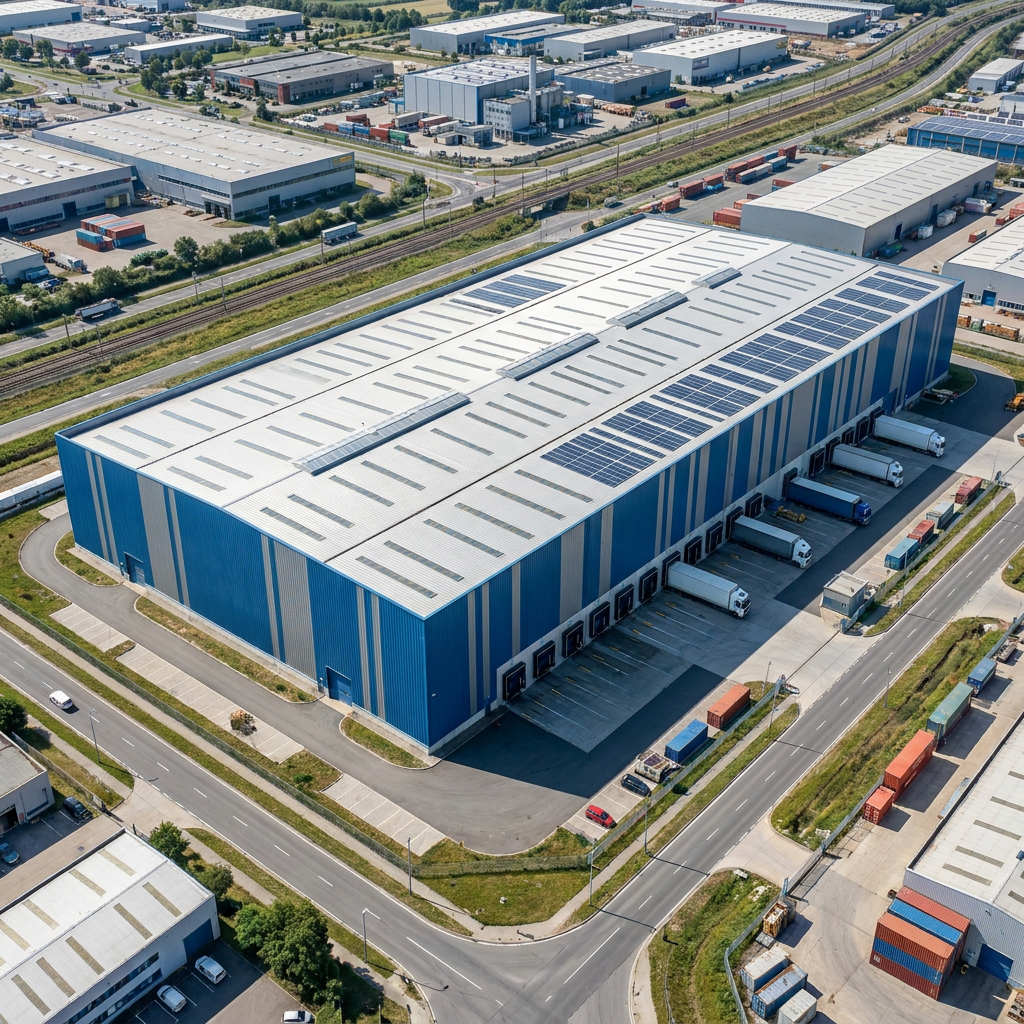
Many buyers pay attention to the steel frame, roof panels, wall panels, and building price, but they often underestimate the importance of the steel building foundation. In reality, even a well-designed steel structure can face problems if the foundation is not properly planned or constructed. Cracks, uneven settlement, column misalignment, water accumulation, and installation delays can all be caused by poor foundation preparation.
For any industrial project, understanding the basic logic of a steel building foundation helps buyers control cost, reduce risk, and improve construction efficiency.
Why the Steel Building Foundation Is Important
The main function of a steel building foundation is to transfer the load of the building safely into the ground. This includes the weight of the steel structure, roof system, wall system, equipment, wind force, snow load, crane load, and other operational loads.
A properly designed foundation helps the building remain stable under different conditions. It also provides accurate anchor bolt positions for steel columns. If the anchor bolts are not installed correctly, the steel frame may be difficult to assemble, causing extra labor cost and project delay.
For warehouses and factories, the steel building foundation also supports daily operation. Forklifts, trucks, storage racks, machinery, and workers all depend on a stable and level floor system.
Main Types of Steel Building Foundation
Different projects require different foundation solutions. The most suitable steel building foundation depends on soil conditions, building size, load requirements, and local construction standards.
1. Isolated Footing Foundation
An isolated footing is commonly used for steel structure buildings with individual columns. Each column has a separate concrete footing under it. This type of steel building foundation is widely used because it is cost-effective and suitable for many standard warehouse and workshop projects.
2. Strip Foundation
A strip foundation is often used when walls or continuous loads need support. It can also be combined with column footings in some steel building projects.
3. Raft Foundation
A raft foundation spreads the load across a large concrete slab. This type of steel building foundation is suitable for weaker soil conditions or buildings with heavier loads.
4. Pile Foundation
If the soil bearing capacity is poor, a pile foundation may be required. Piles transfer building loads to deeper, stronger soil layers. This solution can increase project cost, but it may be necessary for safety in challenging ground conditions.
Key Factors That Affect Steel Building Foundation Design
Soil Condition
Soil condition is one of the most important factors in steel building foundation design. Before construction, a soil investigation report is recommended. The report helps engineers understand soil bearing capacity, groundwater level, settlement risk, and whether special treatment is needed.
Without soil information, the foundation design may be inaccurate.
Building Size and Height
A larger or taller building usually creates greater loads. The steel building foundation must be designed according to the actual structural system. A small storage shed and a large industrial warehouse cannot use the same foundation logic.
Wind, Snow, and Seismic Load
Local climate and natural conditions also affect foundation design. Strong wind areas may require stronger anchoring systems. Heavy snow regions increase vertical loads. Seismic zones require special structural and foundation consideration.
Crane and Equipment Load
If the steel building includes overhead cranes or heavy machinery, the foundation must be designed for additional dynamic loads. Crane loads can significantly affect column base design and footing size.
Common Mistakes in Steel Building Foundation Projects
Ignoring Soil Testing
Some buyers try to save money by skipping soil investigation. This can lead to serious problems later. If the soil cannot support the building properly, repair costs may be much higher than the original testing cost.
Wrong Anchor Bolt Position
Anchor bolts must match the steel column base plates exactly. Incorrect positioning can delay installation and require on-site modification.
Poor Drainage Planning
Water around the foundation can weaken soil and damage concrete over time. A good steel building foundation plan should include drainage design to prevent water accumulation.
Comparing Foundation Cost Without Design Details
Foundation cost cannot be compared only by square meter. Soil condition, load requirement, concrete volume, reinforcement, and local labor all affect the final cost.
How to Control Steel Building Foundation Cost
Cost control begins with proper design. A professional steel structure supplier can help optimize column spacing, load distribution, and structural layout to reduce unnecessary foundation expenses.
Buyers can control cost by:
Providing accurate project location information
Completing soil investigation early
Confirming building size and use before design
Planning crane systems in advance
Avoiding unnecessary building height
Coordinating foundation drawings with steel structure drawings
A good design can reduce both steel consumption and foundation cost.
Coordination Between Steel Supplier and Local Contractor
For international steel structure projects, the steel supplier usually provides anchor bolt layout drawings and foundation reaction data. The local civil engineer or contractor then designs the final steel building foundation according to local soil and construction codes.
Good coordination is very important. The steel supplier should provide clear drawings, column base information, and load data. The local contractor should ensure the foundation and anchor bolts are completed accurately before steel installation begins.
FAQ
Does the steel building supplier provide the foundation?
In many overseas projects, the supplier provides foundation reference drawings and load data, while the local contractor completes the actual foundation design and construction according to local regulations.
Can a steel building be installed on an existing concrete slab?
It depends on the slab thickness, reinforcement, soil condition, and building load. An engineer should evaluate the existing slab before installation.
What happens if anchor bolts are not accurate?
Incorrect anchor bolt positions can cause installation delays, extra drilling, cutting, welding, or even foundation repair.
Is foundation cost included in the steel building price?
Usually not. Many steel building quotations include the steel frame and enclosure system, but the foundation is often handled locally.
Conclusion
A reliable steel building foundation is essential for the safety, durability, and installation efficiency of any steel structure project. Buyers should not treat the foundation as a minor detail. Soil testing, correct load calculation, accurate anchor bolt placement, and proper drainage planning all play important roles.
For warehouses, workshops, factories, hangars, and logistics buildings, the best result comes from close cooperation between the steel structure supplier, local engineer, and construction contractor. A well-planned steel building foundation can reduce project risk, control cost, and support long-term building performance.