
How to Choose a Reliable Prefab Warehouse Supplier for Your Industrial Project
For companies planning to build a warehouse, factory, workshop, logistics center, or storage facility, choosing the right prefab warehouse supplier is one of the most important decisions before starting the project. A professional prefab warehouse supplier does not only provide steel materials. The supplier should also support design optimization, structural fabrication, quality inspection, packing, shipping, and installation guidance.
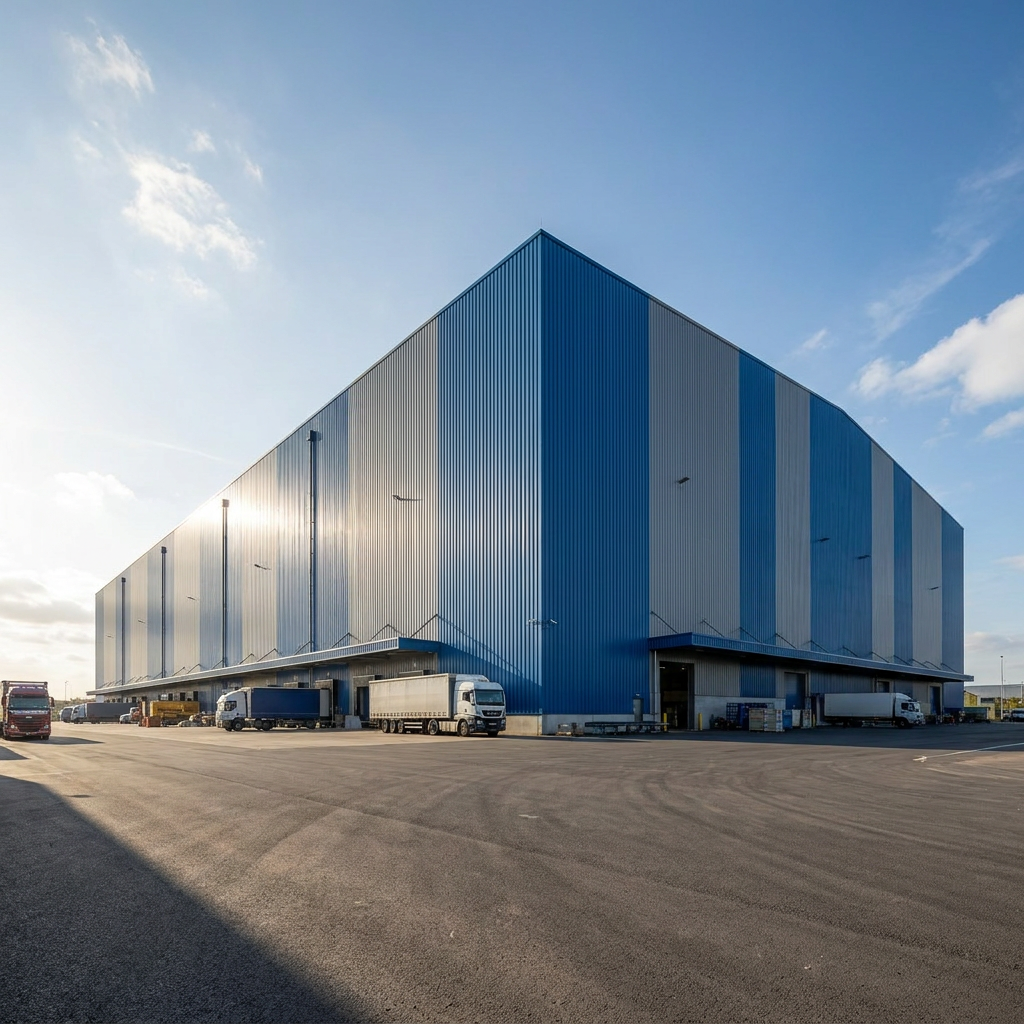
In international construction projects, many buyers focus first on price. However, the lowest quotation does not always mean the best value. A reliable prefab warehouse supplier can help reduce project risk, improve construction efficiency, and ensure the building performs safely for many years.
Why Prefab Warehouse Buildings Are Popular
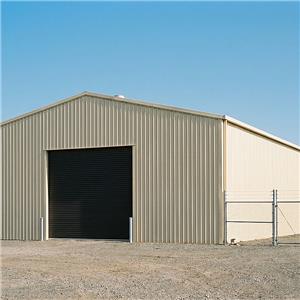
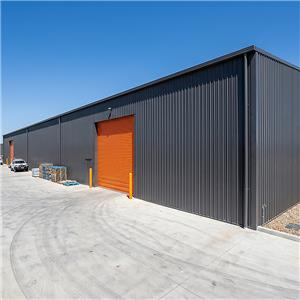
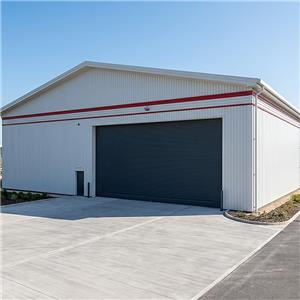
Prefab warehouse buildings are widely used in industrial construction because most steel components are manufactured in a factory before being delivered to the site. This construction method offers faster installation, better quality control, and more flexible design compared with many traditional building methods.
A prefab warehouse can be used for:
Logistics storage
Industrial production
Agricultural storage
Machinery workshop
E-commerce warehouse
Cold storage facility
Commercial distribution center
Because of these applications, demand for a professional prefab warehouse supplier continues to grow in global markets.
What Does a Prefab Warehouse Supplier Provide?
A qualified prefab warehouse supplier should provide a complete building solution instead of only selling steel columns and beams.
Typical supply scope may include:
Main steel frame
Secondary steel members
Roof panels
Wall panels
Bracing system
Bolts and fasteners
Doors and windows
Ventilation components
Installation drawings
Export packing
Some prefab warehouse supplier companies can also provide engineering design, 3D drawings, foundation reference drawings, and on-site installation support.
Before confirming an order, buyers should clearly check what is included in the quotation.
Key Factors When Choosing a Prefab Warehouse Supplier
1. Engineering Design Capability
A professional prefab warehouse supplier should have experienced engineers who understand international design standards. The design must consider wind load, snow load, seismic requirements, building span, height, roof slope, and local construction conditions.
Good engineering can reduce unnecessary steel usage while maintaining safety. This helps buyers control cost without sacrificing quality.
2. Factory Production Capacity
The production capacity of the prefab warehouse supplier directly affects delivery time. Buyers should evaluate whether the factory has enough equipment, skilled workers, welding capacity, and surface treatment capability.
Important production processes include cutting, drilling, welding, assembling, shot blasting, painting, and quality inspection. A strong production system helps ensure accurate dimensions and stable product quality.
3. Material Quality
Material quality is a major factor in the long-term performance of a prefab warehouse. A reliable prefab warehouse supplier should use certified steel materials and provide material test certificates when required.
Common steel grades include Q235B, Q355B, ASTM A36, ASTM A572, S235, and S355. The correct steel grade should be selected according to project requirements and local standards.
4. Surface Treatment
Steel structures need proper surface treatment to resist corrosion. A prefab warehouse supplier may offer painted steel, hot-dip galvanized steel, or other protective coating systems.
For coastal areas, high-humidity regions, or industrial environments, stronger anti-corrosion treatment may be necessary. This should be confirmed before production.
Why Price Should Not Be the Only Standard
Many buyers compare suppliers only by price per square meter. This can be risky because different prefab warehouse supplier quotations may include different materials, panel thicknesses, paint systems, steel quantities, and design standards.
A low quotation may exclude important items such as bolts, bracing, installation drawings, insulation, or transportation. In some cases, a very low price may indicate thinner steel, weak coating, or insufficient structural design.
The best way to compare quotations is to review the technical specification, not only the total price.
Common Mistakes When Buying a Prefab Warehouse
Choosing Without Drawings
A price without drawings is only a rough estimate. Buyers should provide building size, location, usage, height, span, and load requirements before requesting a final quotation.
Ignoring Local Climate
Wind speed, snow load, temperature, humidity, and seismic conditions all affect design. A professional prefab warehouse supplier should ask for these details before confirming the structure.
Forgetting Future Expansion
Many businesses grow quickly after building the first warehouse. If expansion is considered during the design stage, future construction will be easier and more cost-effective.
Not Checking Packing and Shipping
For international projects, export packing is very important. Steel components must be properly marked and packed to reduce damage during transportation and make installation easier.
How a Good Supplier Improves Project Efficiency
A strong prefab warehouse supplier can help the buyer save time in several ways. Accurate fabrication reduces installation errors. Clear installation drawings help local workers assemble the building faster. Proper packaging makes unloading and sorting easier at the project site.
For overseas buyers, communication ability is also important. The supplier should respond quickly, understand technical questions, and provide practical solutions during the project.
Applications of Prefab Warehouse Buildings
Prefab warehouse buildings are suitable for many industries.
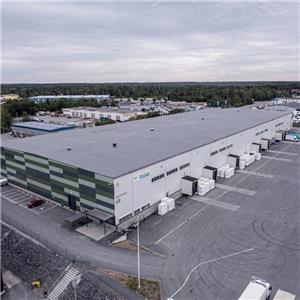
Logistics and Distribution
Large clear-span space helps improve storage capacity and forklift movement.
Manufacturing
Steel warehouse buildings can be combined with workshop areas, office rooms, and crane systems.
Agriculture
Farmers use prefab warehouses for grain storage, equipment protection, feed storage, and agricultural processing.
Retail and Commercial Storage
Commercial companies use prefab warehouses for inventory management and regional distribution.
FAQ
How long does it take to build a prefab warehouse?
The timeline depends on building size, production schedule, shipping distance, and site preparation. Prefabricated steel structures are usually faster than traditional construction methods.
Can a prefab warehouse be customized?
Yes. A prefab warehouse supplier can customize width, length, height, roof type, wall panel, door size, insulation, ventilation, and crane system.
Is a prefab warehouse suitable for hot or cold climates?
Yes. With proper insulation, ventilation, and structural design, prefab warehouses can be used in different climate conditions.
What information is needed for a quotation?
Buyers should provide building size, project location, usage, roof and wall material preference, wind load, snow load, and whether cranes or insulation are required.
Conclusion
Choosing the right prefab warehouse supplier is essential for a successful industrial building project. A reliable supplier should provide engineering design, quality materials, accurate fabrication, proper surface treatment, export packing, and installation support.
Instead of focusing only on the lowest price, buyers should evaluate the total value of the supplier. A professional prefab warehouse supplier can help reduce risk, shorten construction time, improve building quality, and support long-term business growth.
For warehouses, factories, workshops, logistics centers, and agricultural buildings, working with an experienced prefab warehouse supplier is the foundation of a safe, efficient, and cost-effective project.