
Why Pre Engineered Metal Buildings Are Becoming the First Choice for Industrial Construction
The global construction industry is continuously searching for solutions that can reduce project timelines, lower costs, and improve building performance. Among the most successful innovations in recent decades are pre engineered metal buildings, which have revolutionized the way industrial, commercial, and agricultural facilities are designed and constructed.
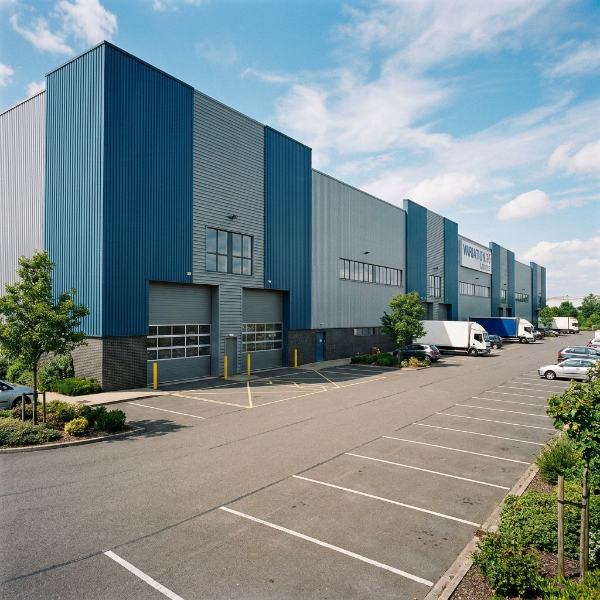
Today, pre engineered metal buildings are widely used for warehouses, manufacturing plants, logistics centers, agricultural facilities, aircraft hangars, and commercial developments. Their ability to combine structural strength with construction efficiency makes them one of the fastest-growing segments in the construction industry.
As businesses increasingly prioritize speed, flexibility, and long-term return on investment, pre engineered metal buildings continue to gain popularity across global markets.
What Are Pre Engineered Metal Buildings?
Pre engineered metal buildings are structures that are engineered, fabricated, and partially assembled in a factory before being delivered to the construction site. Every component is designed according to specific project requirements and manufactured with precise dimensions.
A typical pre engineered metal building includes:
Primary steel frames
Secondary structural members
Roof systems
Wall systems
Connection components
Optional insulation systems
Because the entire structure is engineered before production begins, pre engineered metal buildings achieve exceptional accuracy and efficiency during installation.
Why Businesses Choose Pre Engineered Metal Buildings
The growing demand for pre engineered metal buildings is driven by several significant advantages.
Faster Construction Schedules
One of the biggest benefits of pre engineered metal buildings is reduced construction time.
Unlike traditional construction methods, where many components are fabricated on-site, pre engineered metal buildings arrive ready for assembly. This allows projects to move forward much faster.
Benefits include:
Earlier operational startup
Reduced labor costs
Faster return on investment
Lower project risk
Cost-Effective Construction
Many investors choose pre engineered metal buildings because they provide excellent value.
Cost savings come from:
Reduced labor requirements
Less material waste
Faster installation
Optimized structural design
Compared with conventional construction methods, pre engineered metal buildings often offer a lower total project cost.
Structural Advantages of Pre Engineered Metal Buildings
Modern pre engineered metal buildings are designed to provide outstanding structural performance.
High Strength
Steel offers superior load-bearing capacity, making pre engineered metal buildings suitable for demanding industrial applications.
Long Service Life
With proper maintenance, pre engineered metal buildings can remain operational for decades.
Weather Resistance
Professional engineering allows pre engineered metal buildings to withstand:
Strong winds
Heavy rain
Snow loads
Seismic activity
Large Clear Spans
One of the most attractive features of pre engineered metal buildings is the ability to create large column-free spaces.
This improves:
Storage efficiency
Equipment movement
Production flexibility
Applications of Pre Engineered Metal Buildings
The versatility of pre engineered metal buildings allows them to serve a wide variety of industries.
Warehouses
Pre engineered metal buildings provide efficient storage space for logistics and distribution operations.
Manufacturing Facilities
Factories benefit from flexible layouts and rapid construction.
Agricultural Buildings
Farm operators use pre engineered metal buildings for:
Equipment storage
Grain warehouses
Livestock facilities
Processing centers
Commercial Projects
Retail centers, showrooms, and office buildings increasingly utilize pre engineered metal buildings.
Aviation Infrastructure
Aircraft hangars often rely on pre engineered metal buildings due to their large clear-span capabilities.
Design Flexibility
Modern pre engineered metal buildings can be customized to meet nearly any operational requirement.
Customizable features include:
Building width
Building length
Eave height
Roof slope
Door openings
Window placement
Crane systems
Mezzanine floors
This flexibility allows pre engineered metal buildings to support both current and future business needs.
Energy Efficiency Benefits
Energy costs continue to rise worldwide, making efficiency a critical factor in building design.
A modern pre engineered metal building may include:
Insulated Roof Systems
These reduce heat transfer and improve indoor comfort.
Insulated Wall Panels
High-performance wall systems improve energy efficiency.
Natural Lighting
Skylights and translucent panels reduce electricity consumption.
Solar Integration
Many pre engineered metal buildings are designed to support rooftop solar systems.
These features help lower operating costs throughout the building's lifecycle.
Factors Affecting Pre Engineered Metal Buildings Cost
Several variables influence the total investment required for pre engineered metal buildings.
Building Size
Larger structures require more materials and engineering.
Design Complexity
Custom features increase fabrication requirements.
Structural Loads
Wind, snow, and seismic conditions affect engineering specifications.
Insulation Requirements
Higher-performance insulation systems increase initial investment but reduce long-term operating costs.
Understanding these factors helps buyers accurately compare quotations for pre engineered metal buildings.
Common Mistakes When Purchasing Pre Engineered Metal Buildings
Many buyers make avoidable mistakes during procurement.
Focusing Only on Price
The lowest-priced pre engineered metal buildings may not provide the best value.
Ignoring Engineering Quality
Strong engineering often reduces overall project cost through material optimization.
Overlooking Future Expansion
Expansion possibilities should be considered during the initial design phase.
Choosing Inexperienced Suppliers
Experienced manufacturers help ensure successful project execution.
Technology Driving the Growth of Pre Engineered Metal Buildings
Several technological innovations continue improving pre engineered metal buildings.
BIM Design
Building Information Modeling improves project coordination and accuracy.
Automated Fabrication
Modern CNC equipment enhances precision and consistency.
Smart Building Integration
Digital technologies improve operational efficiency.
Sustainable Materials
Environmental considerations continue shaping the future of pre engineered metal buildings.
Future Trends in Pre Engineered Metal Buildings
The market for pre engineered metal buildings is expected to continue growing rapidly.
Key trends include:
Smart warehouse integration
Modular construction systems
Energy-efficient designs
Sustainable construction practices
Advanced automation technologies
These innovations will further strengthen the advantages of pre engineered metal buildings.
Conclusion
Pre engineered metal buildings have become one of the most effective solutions for modern industrial, agricultural, commercial, and logistics projects. Their advantages in speed, flexibility, durability, and cost control make them an attractive investment for businesses worldwide.
As construction technology continues to advance, pre engineered metal buildings will play an even greater role in helping companies expand efficiently, improve operational performance, and achieve long-term success.