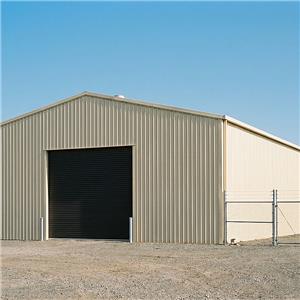
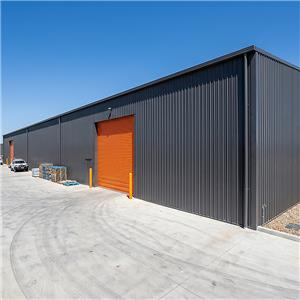
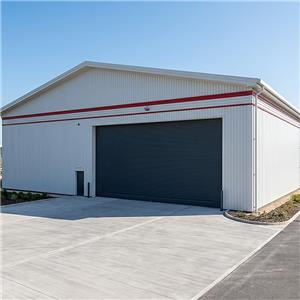
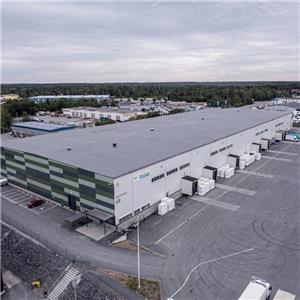

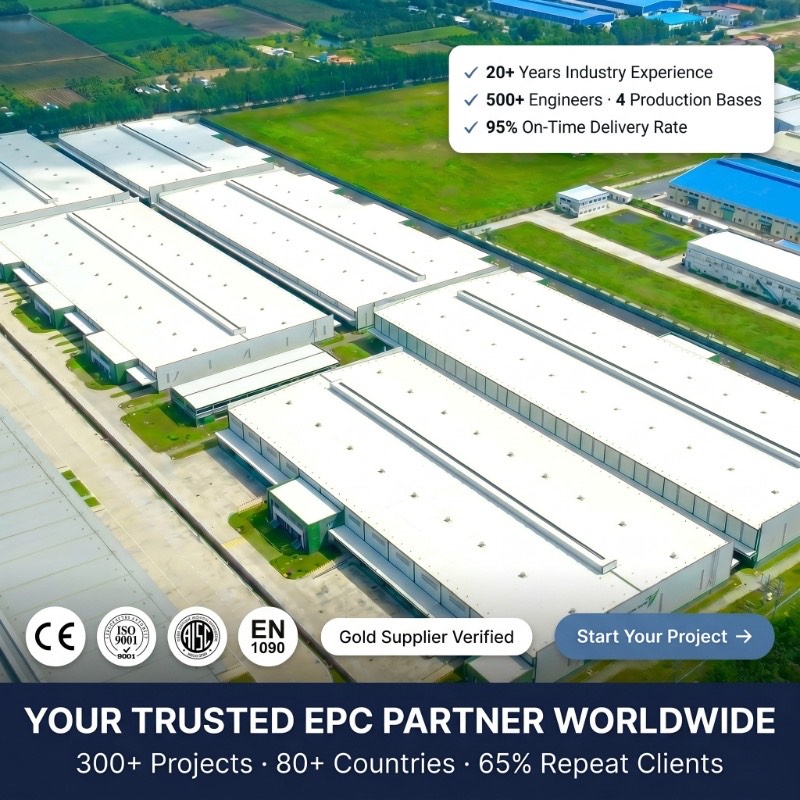
Energy Efficient Steel Building
Engineered with PIR insulation panels delivering 65% better thermal resistance than standard EPS. Integrated thermal breaks prevent 85% of conduction loss. Cool roof coating with SRI >78 reduces surface temperature by 22°C. Achieves 30% carbon footprint reduction per square meter.
Energy Efficient Steel Building — High R-Value Industrial Facility Solutions
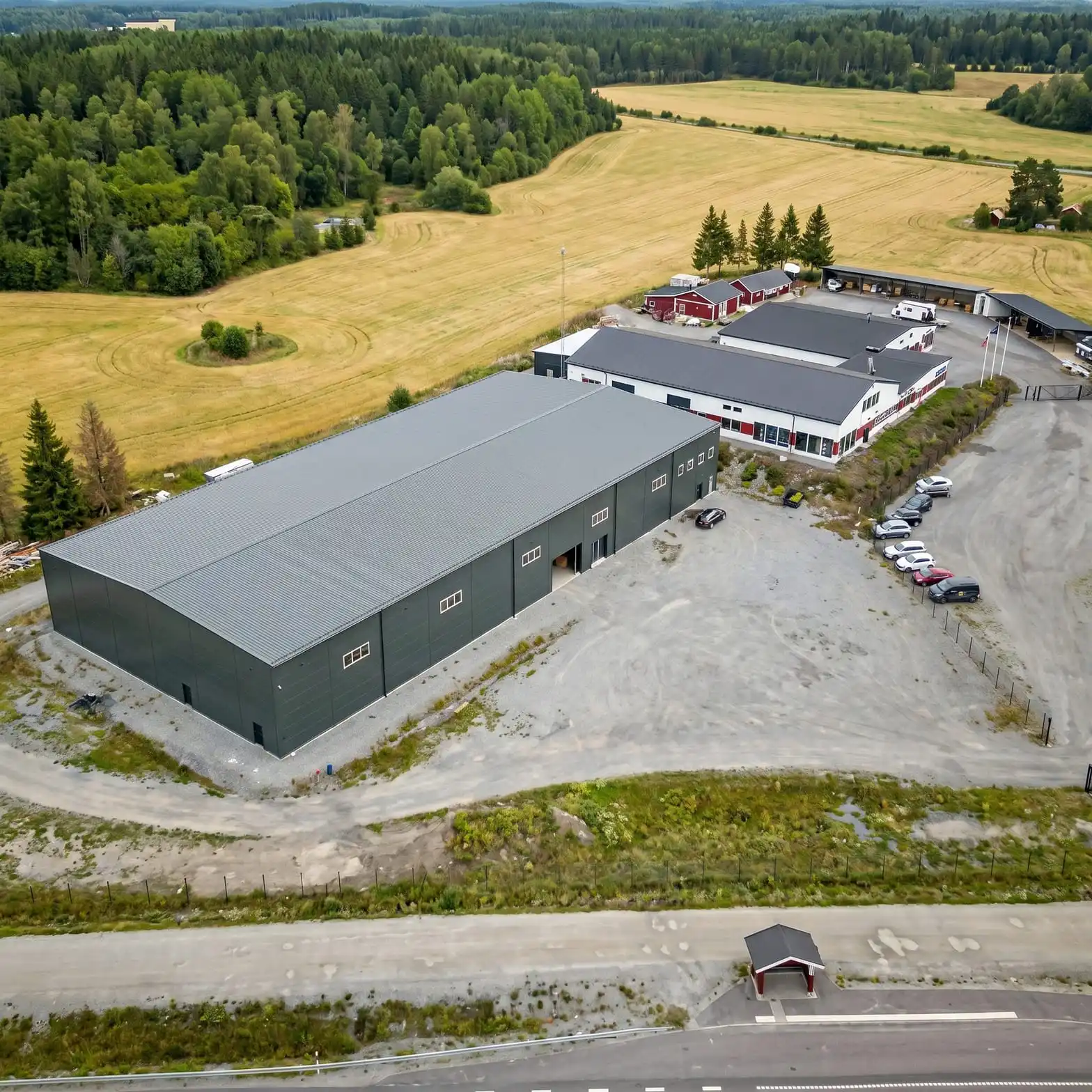
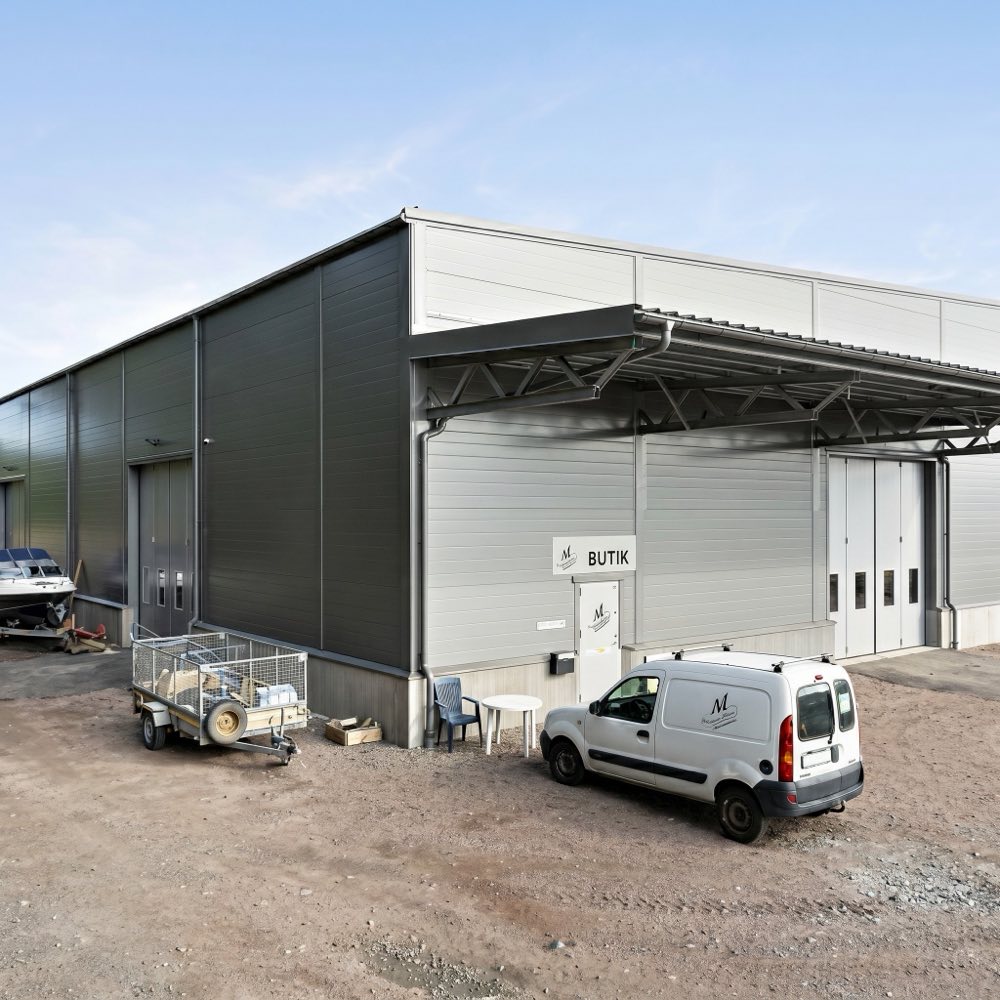
If your procurement team is still comparing a Energy Efficient Steel Building quotation solely on the price per tonne, you are missing the biggest operational leak in your balance sheet. In 2026, the real cost of an industrial shell isn't the steel — it's the climate control bill over the next 20 years. We've audited Energy Efficient Steel Building sites where a poorly specified thermal envelope added 25% to the annual OpEx. That's money that should have been profit. Our High R-Value Industrial Facility systems are engineered to stop that leak. By integrating thermal bridge breaks and high-performance PIR panels into the Insulated Production Hall Design, we deliver a Low Carbon Steel Warehouse that pays for its premium within the first 36 months of occupancy.
The Hidden Math of a High R-Value Industrial Facility
Why do we talk about R-values and U-factors so much? Because in a standard warehouse, up to 40% of thermal loss happens through 'ghost leaks' at the fasteners and girt-to-cladding interfaces. A High R-Value Industrial Facility from Meituo isn't just about thicker insulation; it's about the seal. When you invest in a Energy Efficient Steel Building, you're buying a Thermal Envelope Industrial Shell that maintains a delta of 15 degrees Celsius between interior and exterior with minimal HVAC intervention. For a 3,000 m² Low Carbon Steel Warehouse, that translates to roughly USD 14,000 in annual energy savings based on current global utility averages.
| Efficiency Driver | Standard Metal Shed | Meituo Energy Efficient Steel Building | Operational Delta |
|---|---|---|---|
| Insulation Core | 50mm EPS (Expanded Polystyrene) | 100mm-150mm High-Density PIR | 65% better thermal resistance |
| Thermal Bridging | Direct metal-to-metal contact | Integrated Thermal Break Strips | Prevents 85% of conduction loss |
| Joint Integrity | Overlap sheet only | Interlocking tongue-and-groove | Eliminates 90% of air infiltration |
| Reflectivity (SRI) | Standard Primer (SRI < 30) | Cool Roof Coating (SRI > 78) | Reduces roof surface temp by 22°C |
| Carbon Footprint | Baseline Emission | 30% Reduction per m² | Future-proofs against Carbon Taxes |
Specifying an Insulated Production Hall Design for 2026
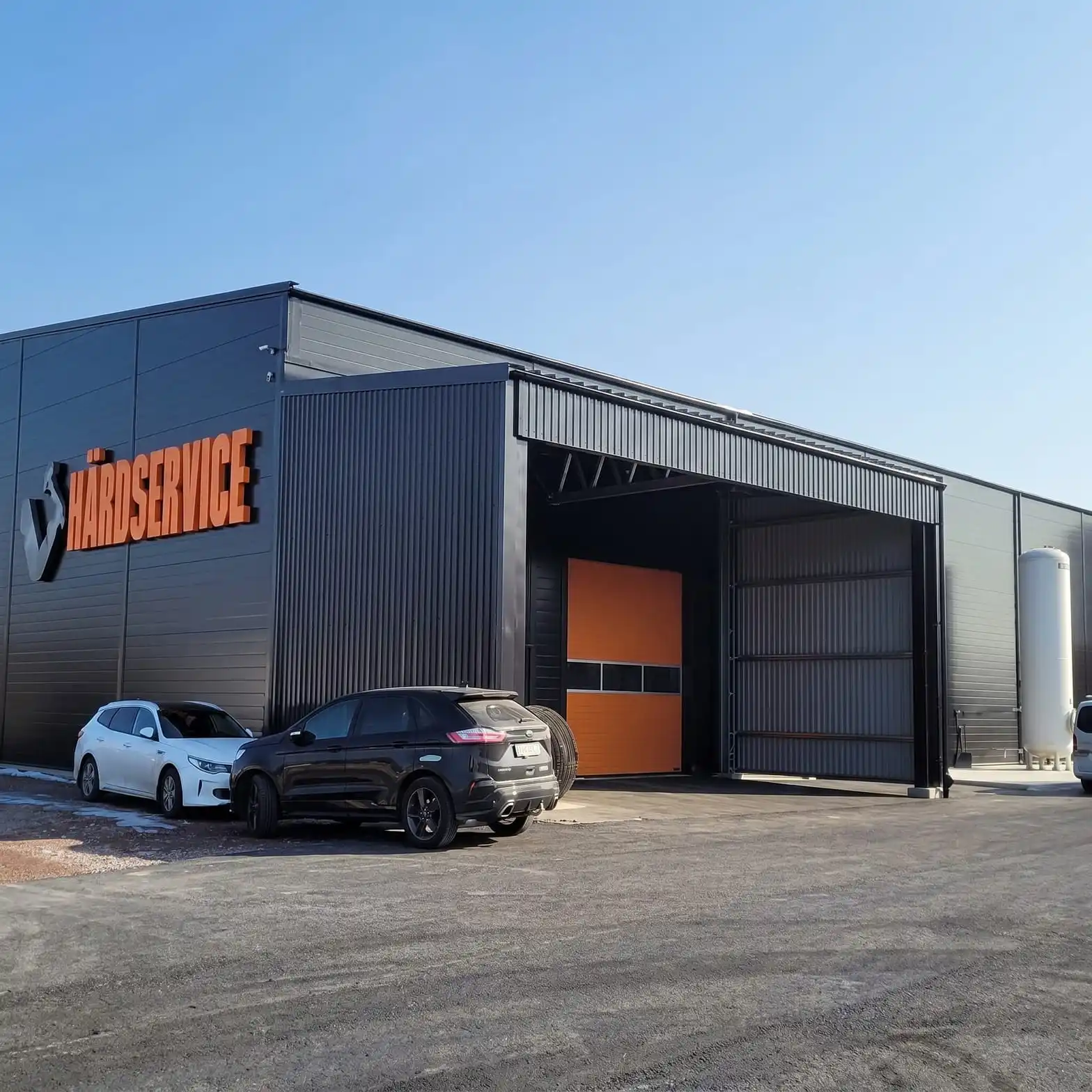
Most contractors will tell you that a Insulated Production Hall Design is just a matter of sandwich panels. We disagree. A true Insulated Production Hall Design starts with the structural frame orientation. We've seen too many High R-Value Industrial Facility projects fail because the ridge ventilators were undersized or the eave seals were an afterthought. Our Energy Efficient Steel Building chassis accounts for the stack effect, ensuring natural ventilation handles the bulk of the air exchange during shoulder seasons. This is the Thermal Envelope Industrial Shell rigor that separates an engineered asset from a basic commodity box.
As a Custom Metal Building Manufacturer, we evaluate your local ASHRAE zone before suggesting a cladding thickness. If your Low Carbon Steel Warehouse is in a humid tropical zone like the Philippines or Nigeria, the condensation risk is higher than the heat-gain risk. We engineer the vapor barrier position accordingly. This level of High R-Value Industrial Facility specificity is why we are the preferred partner for sensitive manufacturing plants globally.
Beyond the Shell: The Low Carbon Steel Warehouse Strategy
Supply chains are under pressure to de-carbonize. Building a Low Carbon Steel Warehouse today protects your asset's resale value in a decade when carbon audits become mandatory for tenants. Our Energy Efficient Steel Building system utilizes high-tensile Q355B steel, allowing us to achieve the same structural spans with 18% less material. That material optimization, combined with our Thermal Envelope Industrial Shell performance, makes your facility a Low Carbon Steel Warehouse that meets LEED and BREEAM readiness standards without the typical 'green premium'.
Engineering the Thermal Envelope Industrial Shell
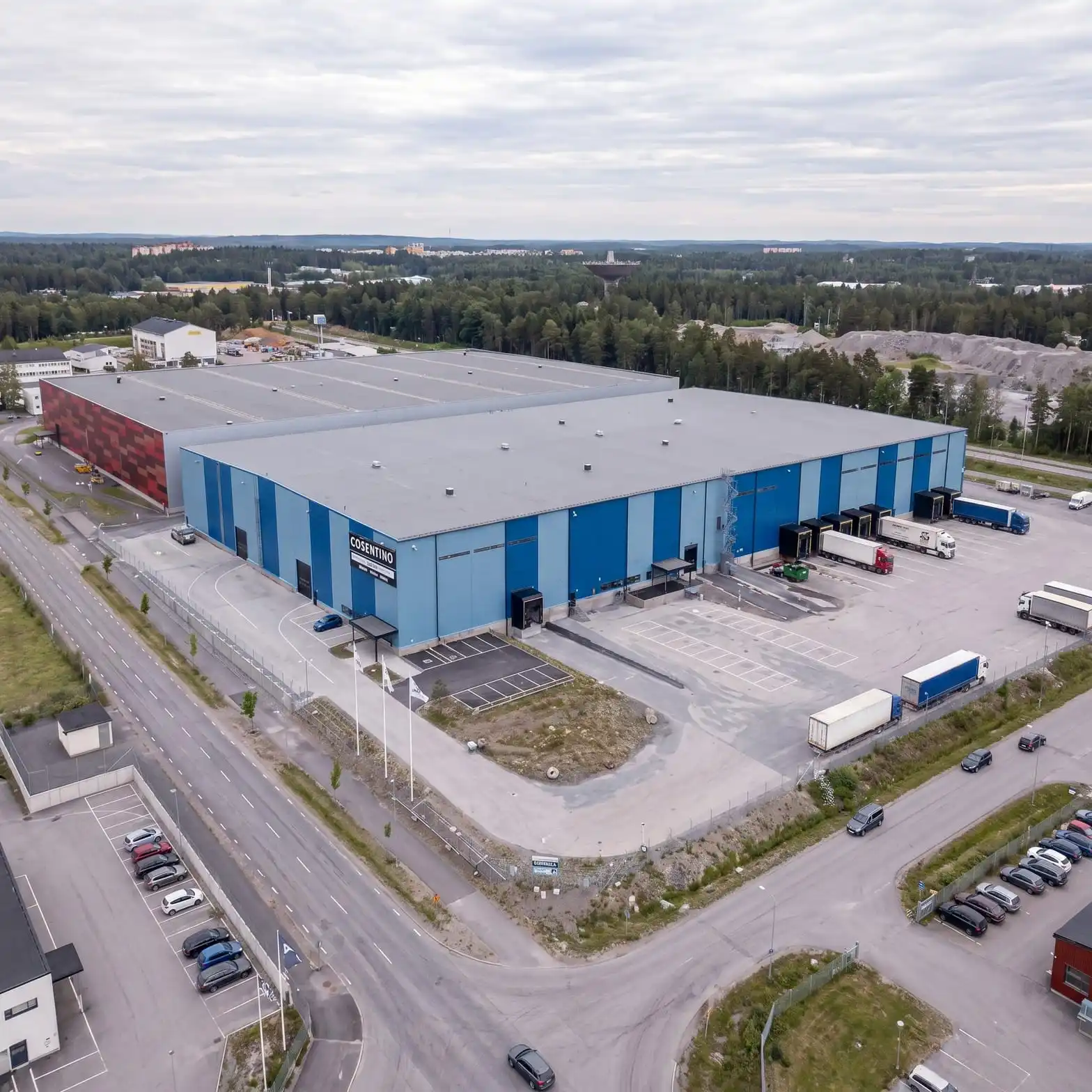
The Thermal Envelope Industrial Shell is a multi-component system. It includes the skylights (triple-glazed for thermal retention), the industrial doors (sectional with full seals), and the perimeter flashing. If any of these fail, your Energy Efficient Steel Building is just a sieve. We provide the Insulated Production Hall Design documentation that details every one of these junctions. You get a stamped calculation report that proves your High R-Value Industrial Facility will maintain its temperature set-point even during record heatwaves. This Thermal Envelope Industrial Shell reliability is what your CFO wants to see on the feasibility report.
Frequently Asked Questions on High-Performance Envelopes
Q1: Is PIR really worth the extra cost over EPS for an Energy Efficient Steel Building?
Absolutely. PIR has a thermal conductivity (lambda) of roughly 0.022 W/m·K, while EPS is around 0.038. This means you need a much thinner PIR panel to achieve the same High R-Value Industrial Facility performance. Over a 50-year life, the volume of EPS required to match our Energy Efficient Steel Building standard would significantly increase your shipping and foundation costs.
Q2: How do you handle thermal bridging at the column-to-foundation interface?
This is a detail most Insulated Production Hall Design providers ignore. We specify thermal isolation pads between the column base-plate and the concrete footing where extreme cold-storage is involved. For standard Energy Efficient Steel Building projects, we focus on the perimeter insulation of the floor slab to ensure the Thermal Envelope Industrial Shell is continuous from the ridge to the slab-edge.
Q3: Can a Low Carbon Steel Warehouse handle solar-array loading?
Yes, we design for it. Our Low Carbon Steel Warehouse rafters have a standard additional dead-load allowance for PV mounting systems. You shouldn't have to choose between a Thermal Envelope Industrial Shell and renewable energy — we give you both.
Next Step: Request Your Energy Efficient Steel Building ROI Model
Stop guessing about your utility bills. Provide your site coordinates and target interior temperature. Our team will return a High R-Value Industrial Facility concept, a Thermal Envelope Industrial Shell detail set, and a 5-year energy-saving projection within 48 hours. Let's build a Low Carbon Steel Warehouse that performs for your business and the planet.