
Steel Warehouse Building vs Traditional Warehouse: Which Option Delivers Better Long-Term Value?
As global logistics, manufacturing, and e-commerce industries continue to expand, businesses are investing heavily in warehouse infrastructure. One of the most common questions investors ask is whether a steel warehouse building provides better value than a traditional concrete warehouse.
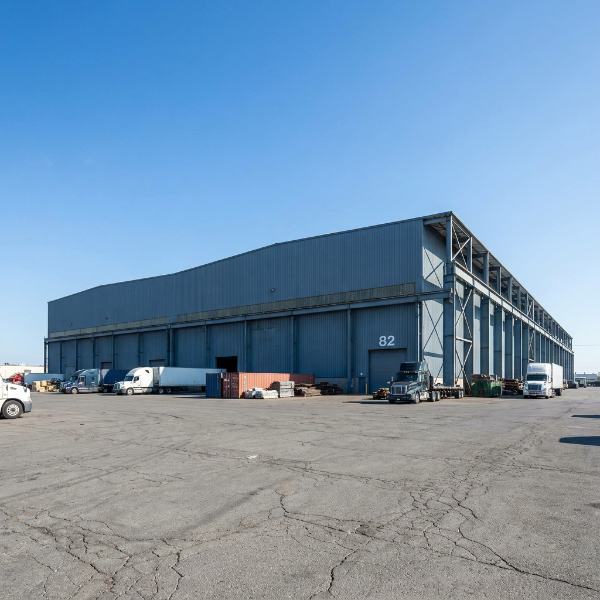
Over the last decade, steel construction has become the preferred solution for industrial and logistics projects across North America, Europe, the Middle East, Africa, and Southeast Asia. A modern steel warehouse building offers significant advantages in construction speed, flexibility, durability, and overall lifecycle cost.
For companies planning new warehouse investments, understanding the long-term value of a steel warehouse building is essential for making informed decisions.
What Is a Steel Warehouse Building?
A steel warehouse building is a storage or logistics facility constructed primarily using structural steel components. These components are fabricated in specialized manufacturing facilities and then delivered to the project site for assembly.
A typical steel warehouse building consists of:
Steel columns
Steel beams
Roof purlins
Wall girts
Roof cladding
Wall cladding
Bracing systems
Fastening components
Because the structure is engineered before fabrication, a steel warehouse building can achieve higher construction accuracy and faster installation compared to traditional methods.
Why Demand for Steel Warehouse Building Projects Is Growing
The demand for steel warehouse building solutions continues to increase because businesses require facilities that can adapt to changing operational needs.
Several market trends are driving this growth:
Expansion of e-commerce
Growth in third-party logistics
Increasing global trade
Industrial manufacturing development
Agricultural storage modernization
A steel warehouse building provides the flexibility needed to support these industries.
Construction Speed Comparison
Time is money in modern business.
One of the biggest advantages of a steel warehouse building is rapid construction.
Steel Warehouse Building
Benefits include:
Factory fabrication
Reduced on-site labor
Faster assembly
Less weather-related delay
A steel warehouse building can often be completed 30% to 50% faster than conventional construction.
Traditional Concrete Warehouse
Concrete construction typically requires:
Formwork installation
Reinforcement placement
Concrete pouring
Curing periods
These processes increase project timelines significantly.
For businesses eager to begin operations quickly, a steel warehouse building offers a major advantage.
Cost Efficiency Throughout the Project Lifecycle
Many investors focus solely on initial construction cost. However, long-term value is often more important.
A properly designed steel warehouse building provides savings in several areas:
Reduced Labor Cost
Factory fabrication minimizes on-site labor requirements.
Lower Foundation Cost
Because steel structures are lighter, a steel warehouse building often requires smaller foundations.
Faster Revenue Generation
Earlier project completion means businesses can begin generating income sooner.
Lower Maintenance Expenses
Modern coatings and engineered systems help reduce maintenance requirements.
Over time, the steel warehouse building frequently delivers a stronger return on investment.
Structural Performance Advantages
The structural capabilities of a steel warehouse building make it suitable for a wide range of applications.
Large Clear Span Space
A steel warehouse building can provide wide column-free areas that maximize storage efficiency.
High Strength-to-Weight Ratio
Steel offers exceptional strength while remaining relatively lightweight.
Excellent Expansion Potential
Future expansion is often simpler and more economical with a steel warehouse building.
Seismic Performance
Steel structures perform well in earthquake-prone regions because of their flexibility.
Warehouse Layout Optimization
A major advantage of a steel warehouse building is design flexibility.
Warehouse operators can optimize:
Storage capacity
Forklift movement
Loading dock placement
Inventory flow
Automated storage systems
This flexibility improves operational efficiency and supports future growth.
Energy Efficiency Benefits
Modern warehouse operators are increasingly focused on reducing energy costs.
A contemporary steel warehouse building may include:
Insulated Sandwich Panels
Improve thermal performance.
Natural Lighting Systems
Reduce electricity consumption.
Roof Ventilation
Enhance indoor comfort.
Solar Panel Integration
Many steel warehouse building projects are designed to support renewable energy systems.
These features contribute to lower operating expenses.
Applications of Steel Warehouse Building Projects
The versatility of the steel warehouse building makes it suitable for numerous industries.
Logistics and Distribution
Supports efficient inventory management and transportation operations.
Manufacturing
Provides storage for raw materials and finished products.
Agriculture
Protects equipment, crops, and agricultural supplies.
Retail Distribution
Facilitates large-scale inventory management.
Cold Storage
Can be customized with advanced insulation systems.
Common Mistakes When Planning a Steel Warehouse Building
Investors should avoid several common errors.
Underestimating Future Growth
A steel warehouse building should accommodate future expansion.
Choosing Based Only on Price
Quality engineering and fabrication are equally important.
Ignoring Operational Workflow
Warehouse design should support efficient logistics processes.
Poor Site Selection
Location directly impacts transportation and operating costs.
Proper planning ensures maximum value from a steel warehouse building.
Technology Trends Shaping the Future
The future of the steel warehouse building industry is increasingly driven by innovation.
Smart Warehouses
Integration of automation and data systems.
Robotics
Improved picking and inventory management.
AI-Driven Logistics
More efficient warehouse operations.
Sustainable Construction
Greater emphasis on energy-efficient steel warehouse building design.
These trends will continue increasing the value of steel warehouse building investments.
How to Select the Right Steel Warehouse Building Supplier
Choosing a professional supplier is critical.
Buyers should evaluate:
Engineering capability
Manufacturing capacity
Export experience
Quality management systems
Installation support
A reliable partner helps ensure successful steel warehouse building project execution.
Future Outlook
Global demand for logistics and industrial infrastructure remains strong.
As companies seek facilities that offer:
Faster construction
Lower operating costs
Greater flexibility
Long-term durability
The steel warehouse building will continue to dominate industrial construction markets worldwide.
Conclusion
The steel warehouse building has become one of the most effective solutions for modern warehousing and logistics operations. Compared with traditional construction methods, it provides superior speed, flexibility, durability, and lifecycle value.
For businesses planning future expansion, investing in a professionally designed steel warehouse building is not simply a construction decision—it is a strategic investment in operational efficiency, scalability, and long-term growth.