
What Nobody Tells You About Steel Building Erection in Remote Locations
What Nobody Tells You About Steel Building Erection in Remote Locations
The most difficult steel building erection remote project we've been involved with wasn't the largest span. It wasn't the most complex structural configuration. It was a 1,800 m² warehouse on a mining support site in the interior of Guinea — 340 kilometers from the nearest proper road, accessible only by a seasonal track that became impassable during the rainy season.
The building itself was structurally simple. The steel building erection remote challenge was not was not.
The first container arrived with 23 components that had sustained transit damage on the final 340km stretch — panel corners bent, one rafter section twisted where the truck had flexed badly on the track, three sections of ridge capping crushed under load shift. None of this was the manufacturer's fault. The packing was standard. Standard packing is designed for port-to-site by road in conditions that include reasonable road surfaces.
That experience changed how we approach remote site projects, and I'm going to share what we learned.
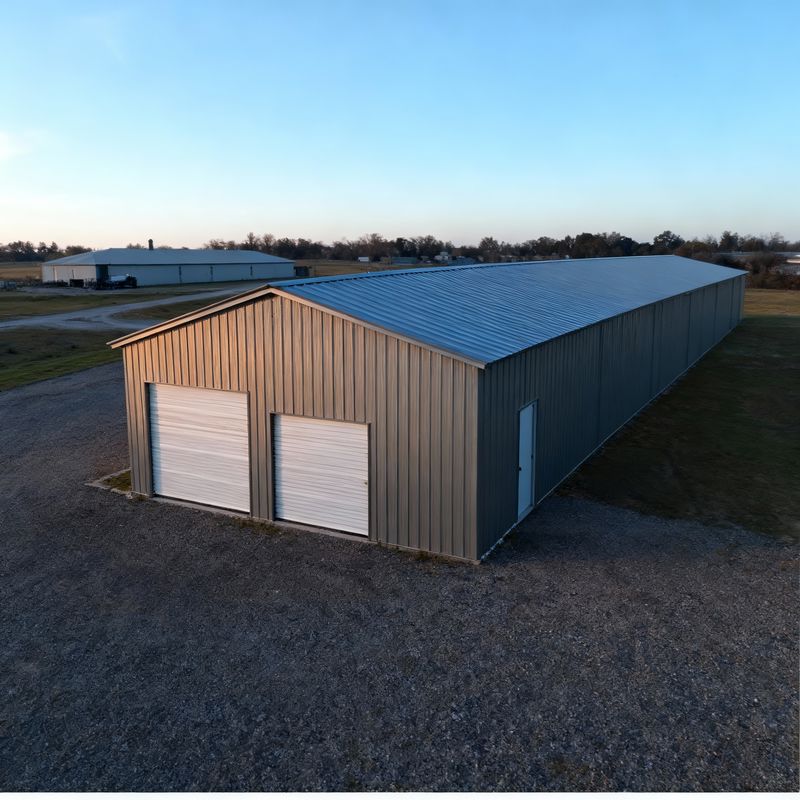
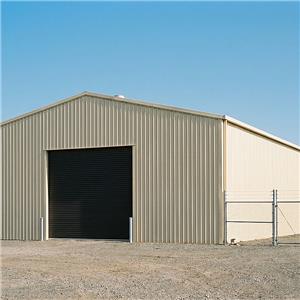
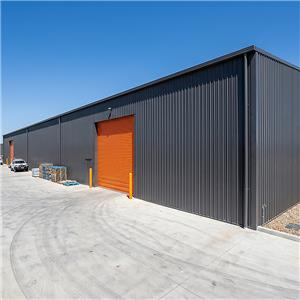
Steel building erection at a remote mining support site — crane positioning, component staging area, and access route all required separate engineering assessment before the project began.
The Access Route Assessment Nobody Does
Before planning any steel building erection remote project — before structural drawings, before packing, before any shipping is arranged — you must perform a physical route assessment. Don't rely on Google Maps or local promises.
You need to know the clearance of every bridge, the radius of every tight turn, and the soil stability of the track during the exact month your containers will be moving. If a 12-meter rafter section can't make a specific turn on the mountain road, you need to know that during the design phase so the rafter can be detailed into two 6-meter sections with a field-bolted splice.
Packing for Remote Site Steel Construction
Standard export packing is not enough for offshore steel building installation or deep-interior projects. You need what we call 'ruggedized' packing.
1. Double Corner Protection
Every bundle of wall and roof panels must have double-thickness steel corner protectors. In a steel building logistics remote scenario, containers are often handled by smaller, less-precise cranes at regional ports or transshipment points. Corner damage is the number one cause of panel rejection.
2. Sequential Loading
The containers must be loaded in the exact reverse order of erection. In a remote site steel construction environment, you often don't have the space to 'unload everything and sort it'. You need to be able to take components directly from the container to the hook of the crane.
The 'Missing Bolt' Crisis
On a site in a major city, a missing bag of M16 bolts is a two-hour delay. On a steel building erection remote site, it's a two-week delay. The logistics cost of flying in a 20kg box of specialized structural bolts can exceed the cost of the bolts themselves by 500 percent.
Our industrial building remote site protocol now includes a mandatory 5 percent 'over-supply' on all fasteners and small connection plates. We also include a 'Remote Site Repair Kit' in the first container, which includes touch-up paint, additional sealant, a portable metal shear, and extra structural washers.
Crew Accommodation and Support
Finally, remember that steel building erection speed is driven by human performance. If your crew is sleeping in sub-standard conditions or doesn't have reliable power for their tools, the schedule will slip. We've seen projects delayed by weeks because the erection crew was sidelined by water-borne illness at a remote site with poor sanitation.
Plan for your people as carefully as you plan for your steel. If you have a project in a challenging location and want to discuss a logistics and erection strategy that actually works, contact our international projects team today.