
Steel Building Ventilation: How to Keep a Steel Warehouse or Workshop Cool and Dry
Steel Building Ventilation: How to Keep a Steel Warehouse or Workshop Cool and Dry
Poor steel building ventilation causes three expensive problems simultaneously. Condensation drips from the roof onto inventory and machinery. Internal temperatures exceed safe working limits during summer months. Ammonia and fumes accumulate in workshops without adequate airflow. Every one of these problems destroys productivity and accelerates corrosion inside the steel building ventilation system itself.
A well-designed steel building ventilation plan costs almost nothing to add at the design stage. The same plan costs a great deal to retrofit after construction. Understanding the principles of warehouse ventilation design before ordering a building saves money and prevents operational problems across the full service life of the structure.
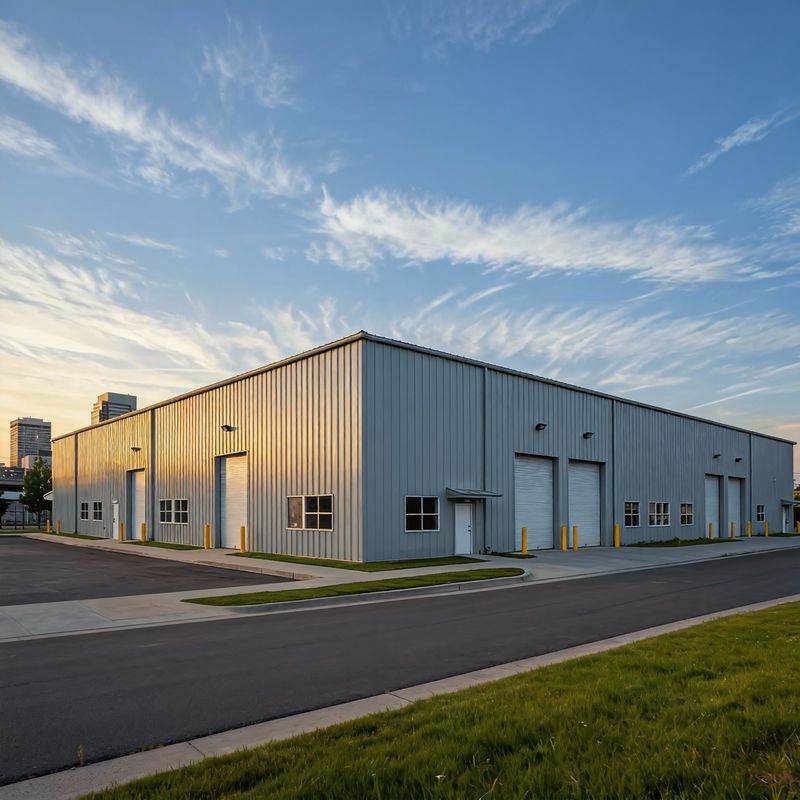
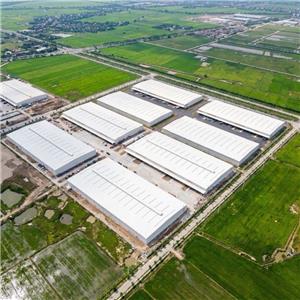
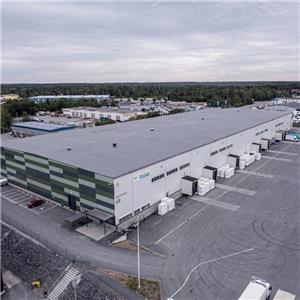
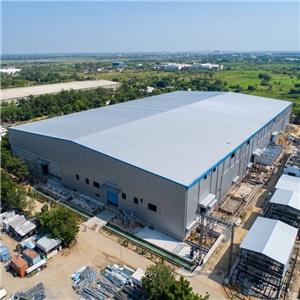
A completed steel warehouse with continuous ridge vent running the full building length — the most effective passive steel building ventilation solution available.
The Stack Effect: How Natural Steel Building Ventilation Works
Hot air inside a steel warehouse ventilation space rises naturally because heated air is less dense than cool air. When the building has an opening at low level and another at high level, the rising hot air exits through the high opening. Replacement cool air enters through the low opening. The greater the temperature difference between inside and outside air, the stronger the natural industrial building airflow becomes.
To maximize this stack effect, industrial building airflow requires balanced intake and exhaust openings. A steel warehouse ventilation system usually places wall louvers at ground level to pull in fresh air, and a continuous ridge vent at the peak of the roof to release hot air.
Passive vs. Mechanical Steel Building Ventilation
There are two primary methods for managing steel warehouse ventilation: passive systems and mechanical systems.
1. Passive Ventilation (Ridge Vents and Louvers)
Passive steel building ventilation relies entirely on natural forces. Because it involves no moving parts, it requires zero electricity and minimal maintenance. It is the gold standard for warehouse ventilation design in large structures where moderate temperature control is sufficient.
2. Mechanical Ventilation (Roof Fans and Wall Fans)
Mechanical steel building ventilation uses powered fans to force air through the building. This is necessary for industrial building airflow in workshops where machinery generates extreme heat, or where processes produce heavy fumes that must be exhausted immediately.
Key Components of Warehouse Ventilation Design
Successful warehouse ventilation design incorporates specific hardware to manage airflow direction and volume:
Continuous Ridge Vents: Installed along the roof peak to allow hot air and moisture to escape continuously.
Wall Louvers: Positioned at the bottom of sidewalls to serve as air intakes for steel building ventilation.
Roof Turbines: Wind-powered extractors that increase industrial building airflow without electricity.
Gravity Vents: Simple hooded openings that allow heat to rise and exit the steel warehouse ventilation space.
Wall Fans: Powerful electric fans used for targeted extraction in high-heat areas of a workshop.
Preventing Condensation with Steel Building Ventilation
In many climates, the primary goal of steel building ventilation is not cooling, but moisture control. Without adequate warehouse ventilation design, warm, moist air inside the building hits the cold steel roof and condenses into water. This "building rain" damages inventory and causes structural rust over time.
Effective steel warehouse ventilation keeps internal humidity levels low and ensures that air remains moving, preventing the stagnant conditions that allow condensation to form. Combining steel building ventilation with high-quality insulation is the only permanent way to keep a metal building completely dry.
Conclusion
Investing in professional warehouse ventilation design is a critical step in the procurement of any industrial metal building. Whether you choose passive steel building ventilation for a quiet warehouse or mechanical industrial building airflow for a busy production plant, the goal remains the same: a cool, dry, and healthy environment that protects both the workers and the structure itself.