
How to Calculate the Right Steel Quantity for a Steel Building A Practical Guide to Structural Design
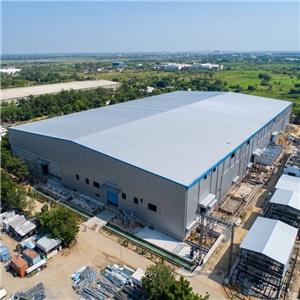
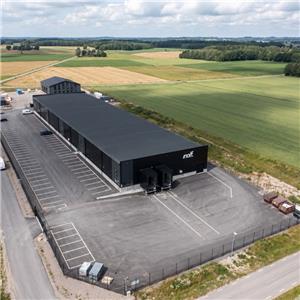
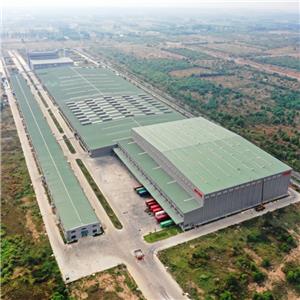
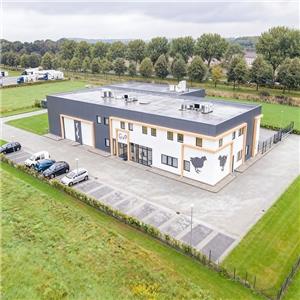
In today’s industrial, logistics, agricultural, and commercial construction markets, the steel building has become one of the most widely adopted building solutions. Thanks to its strength, fast construction, and long service life, the steel building is often seen as a long-term asset rather than a temporary structure.
As project budgets face increasing pressure, some buyers consider using second-hand or reused steel structures in an attempt to reduce initial costs. While a used steel building may seem attractive at first glance, a closer evaluation reveals that a new steel building offers far greater value, safety, and reliability over its entire lifecycle.
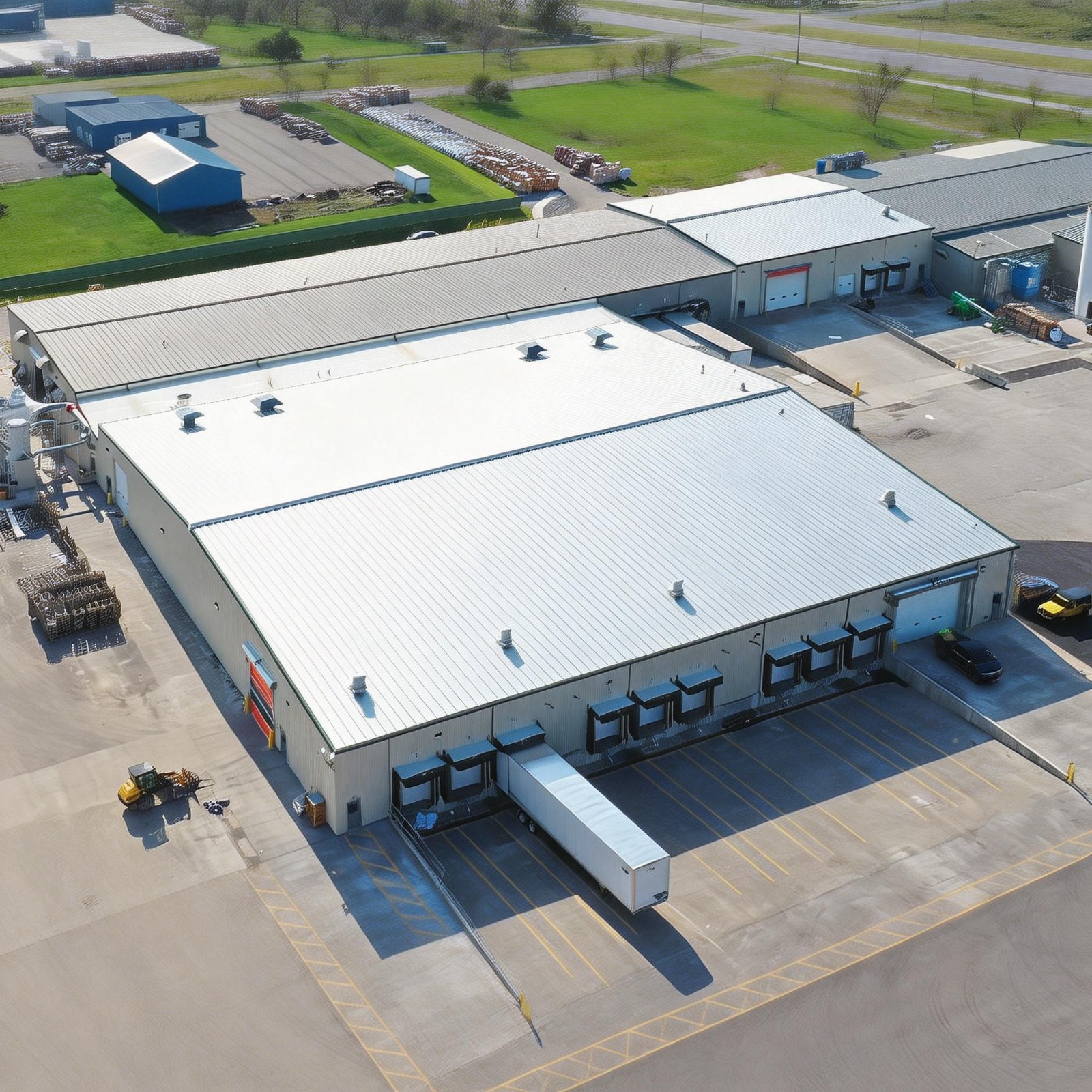
Structural Safety Comes First in Any Steel Building
Safety is the most critical factor in any steel building project. A new steel building is designed from the beginning according to its specific function, span, load requirements, wind and snow conditions, and local building codes. Every structural member is newly manufactured, tested, and installed with clear performance data.
By contrast, a used steel building often comes from unknown or mixed operating conditions. Previous loads, fatigue stress, corrosion, or deformation may not be visible to the naked eye. Even if a reused steel building appears structurally sound, its internal performance is difficult to verify, creating hidden risks that may compromise safety.
Design Compatibility Favors a New Steel Building
One of the strongest advantages of a new steel building is design flexibility. A new steel building can be fully customized to meet the exact needs of a warehouse, factory, workshop, or logistics facility. Column spacing, building height, crane capacity, and expansion planning can all be optimized from the start.
A used steel building, however, is typically limited by its original dimensions and structural layout. Adapting a second-hand steel building to a new purpose often requires modifications, reinforcement, or redesign—adding time, complexity, and unexpected costs.
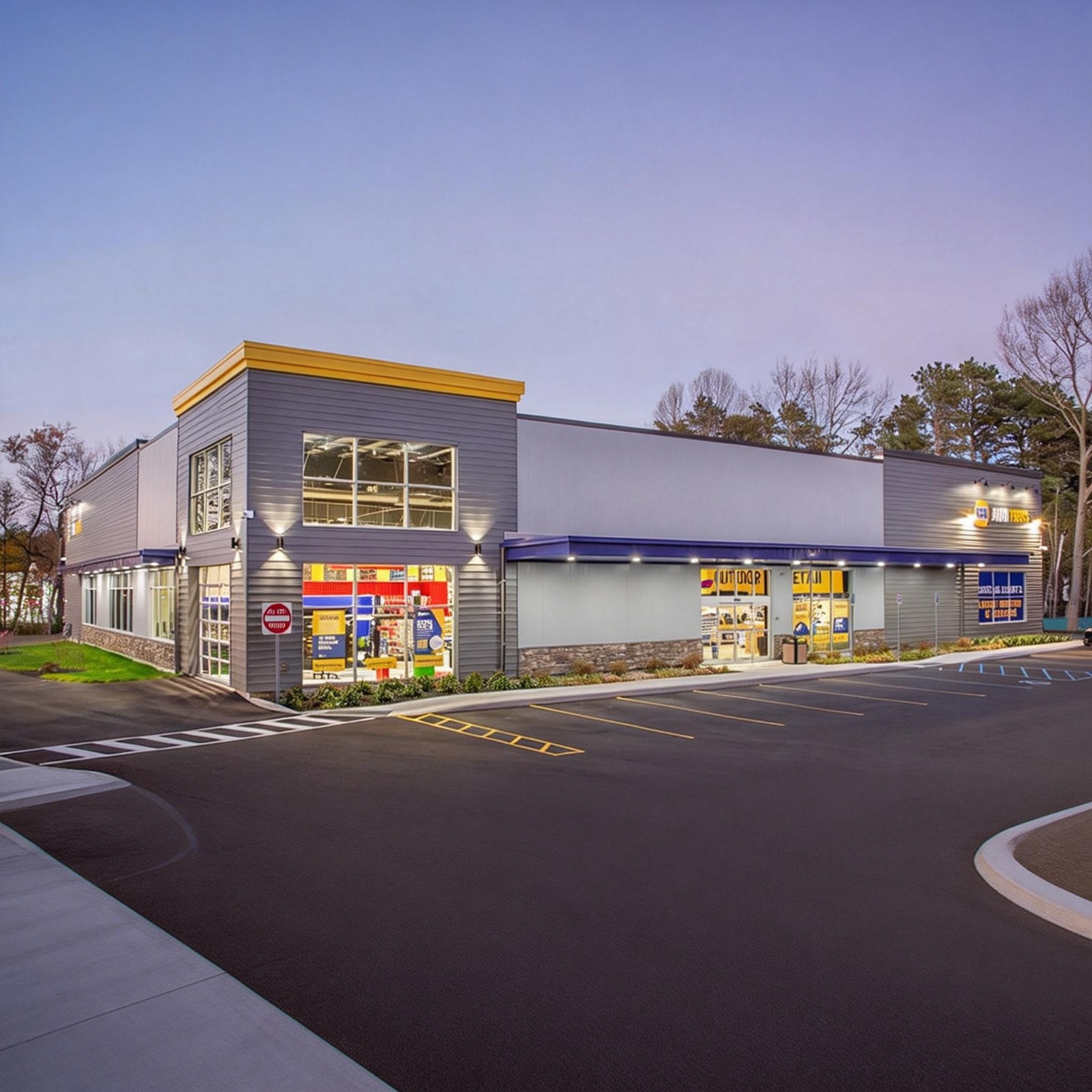
Service Life and Reliability Are Longer With a New Steel Building
A steel building is expected to operate reliably for decades. When built new, all steel components receive proper surface treatment and corrosion protection, ensuring consistent performance throughout their designed lifespan.
With a used steel building, the remaining service life is often uncertain. Protective coatings may already be degraded, and future maintenance requirements are higher. Over time, these additional maintenance costs reduce the perceived savings of choosing a second-hand steel building.
Construction Efficiency and Risk Control
New steel building projects benefit from modern prefabrication techniques. Components are produced in controlled factory environments with precise dimensions, allowing for fast, accurate installation on site. This minimizes construction risks and shortens project schedules.
Reusing a steel building involves dismantling, transporting, reprocessing, and reassembling old components. This process introduces multiple uncertainties, including misalignment, damaged connections, and longer installation times, which can delay project completion.
Total Cost: New Steel Building vs. Used Steel Building
Although a used steel building may offer a lower purchase price, hidden costs often emerge, including:
Dismantling and transportation expenses
Component repair or reinforcement
Additional labor for modification and adjustment
Higher long-term maintenance costs
When evaluated across the full lifecycle, a new steel building often proves to be the more cost-effective solution with predictable investment returns.
Compliance and Approval Advantages
Modern steel building projects must meet updated building codes, safety regulations, and insurance requirements. A new steel building is designed to comply with current standards, making approvals and certifications more straightforward.
Used steel buildings may not meet current regulations, leading to complications during permitting, inspections, or insurance assessments—especially in overseas projects.
Future Expansion and Flexibility
A new steel building can be designed with future expansion in mind. End walls, column spacing, and load allowances can be planned to support growth, equipment upgrades, or operational changes.
A reused steel building typically lacks this flexibility, limiting long-term adaptability and increasing the risk of early replacement.
Conclusion
While a second-hand steel building may appear economical in the short term, a new steel building delivers superior safety, design compatibility, durability, compliance, and long-term value. A steel building is not a temporary structure—it is a long-term investment that supports business growth and operational stability.
Choosing a new steel building means choosing reliability, efficiency, and peace of mind for years to come.