
Pre-Engineered Steel Building: The Complete Procurement Guide for Industrial Buyers 2026
Pre-Engineered Steel Building: The Complete Procurement Guide for Industrial Buyers 2026
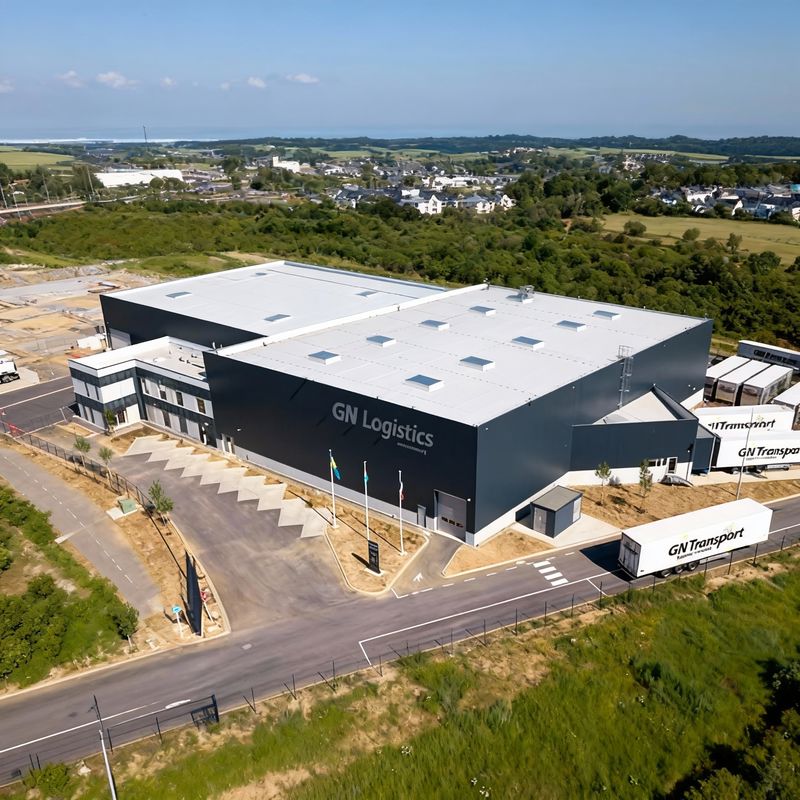
A pre-engineered steel building is the fastest, most cost-predictable construction solution available for industrial and commercial buyers in 2026. Every component of a pre-engineered steel building — columns, rafters, purlins, girts, bracing, and cladding panels — is designed and fabricated as an integrated system in a factory. Workers on site assemble the prefab metal building from numbered components using bolt connections only, with no on-site cutting or welding required.
The global market for pre-engineered steel building systems has grown steadily because buyers across manufacturing, logistics, agriculture, and aviation have validated the performance and value of the system in real industrial applications. Understanding what makes a pre-engineered steel building different from conventional construction — and what determines its cost and quality — helps buyers make better procurement decisions.
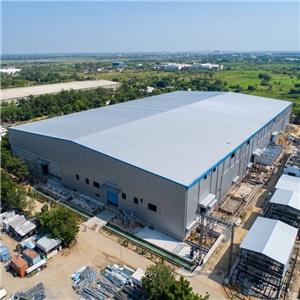
The primary frame of a pre-engineered steel building under erection — all components pre-drilled and pre-painted at the factory before delivery to site.
How a Pre-Engineered Steel Building Differs from Conventional Steel Construction
In conventional steel construction, a structural engineer selects standard hot-rolled sections from a product catalogue and sizes each member independently. The fabricator then cuts, drills, and welds the sections to the engineer's requirements. This process is time-consuming and often results in heavier, more expensive structures.
In contrast, a pre-engineered steel building uses built-up sections with tapered webs. The amount of steel used in the web is optimized based on the stress levels at each point along the length of the member. This engineering precision allows a pre-engineered steel building to achieve the same structural strength as a conventional building while using 20% to 30% less steel. This weight reduction directly translates to lower material costs and lighter foundation requirements for the industrial steel structure.
The Components of a Pre-Engineered Building System
A standard pre-engineered steel building consists of four main groups of components:
Primary Frame: The tapered H-section columns and rafters that form the main skeleton of the industrial steel structure.
Secondary Frame: Cold-formed Z or C sections (purlins for the roof and girts for the walls) that support the cladding and transfer loads to the primary frame.
Cladding System: The exterior roof and wall panels, which can be single-skin corrugated steel or insulated sandwich panels for thermal control in the prefab metal building.
Accessories: Windows, personnel doors, roll-up doors, ridge vents, and gutters designed to integrate perfectly with the pre-engineered steel building.
Key Advantages of Steel Building Procurement
Buyers choose a pre-engineered steel building for several strategic reasons:
Speed of Construction: Because all fabrication happens in the factory, the time spent on the construction site is reduced by up to 50%. This allows owners to occupy the pre-engineered steel building and start operations much sooner.
Clear Span Capability: The pre-engineered building system can achieve large clear spans (up to 90 meters without internal columns), providing maximum flexibility for industrial steel structure layouts.
Future Expansion: It is relatively simple to expand a pre-engineered steel building by adding extra bays to the length of the structure later.
Quality Control: All welding and painting are performed under controlled factory conditions, ensuring higher consistency than field-applied finishes on a prefab metal building.
Architectural Flexibility: A pre-engineered steel building can be designed with glass curtains, masonry facades, or decorative EIFS systems to achieve a modern architectural aesthetic.
Critical Steps in Steel Building Procurement
Successful steel building procurement requires clear communication of three critical parameters:
Design Codes: Specify the regional building codes (such as MBMA, AISC, or Eurocode) that the pre-engineered steel building must follow.
Environmental Loads: Provide accurate data for wind speed, snow load, and seismic activity at the specific project site.
Operational Requirements: Define the required clear height, crane loads, and any specific thermal or fire rating requirements for the industrial steel structure.
Conclusion
A pre-engineered steel building is not just a structure; it is a high-performance industrial asset. By choosing a pre-engineered building system, industrial buyers secure a faster, more efficient, and more flexible path to completing their facility. Whether you are building a simple prefab metal building for storage or a complex industrial steel structure for manufacturing, the pre-engineered steel building approach offers the best return on investment in the modern construction market.