
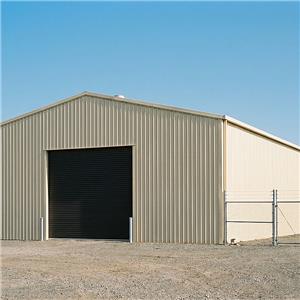
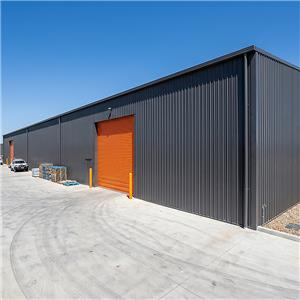
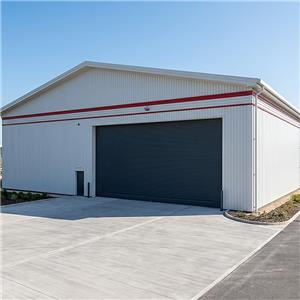
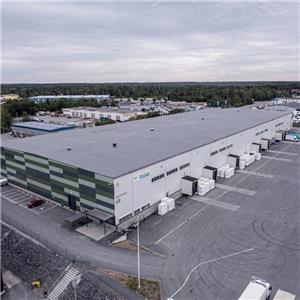
Key Components Steel Structure Building: Stronger, Faster and Environmentally Friendly Buildings!
When it comes to new metal construction projects, the most efficient way to reduce construction time, cost and long-term maintenance is by choosing prefabricated Steel Structure Kits at the outset of your project. Through careful consideration of primary and secondary frames, cladding options and even connections which suit the needs of your local (pre-engineered steel building) loads as well as added conditioned spaces in your building design is a processAMF Steel has been perfecting for years. This manual is an invaluable resource that explains in a clear and concise manner what each important part of the rigging does and how they work together - it also provides knowledge that could save you time, money and headaches.
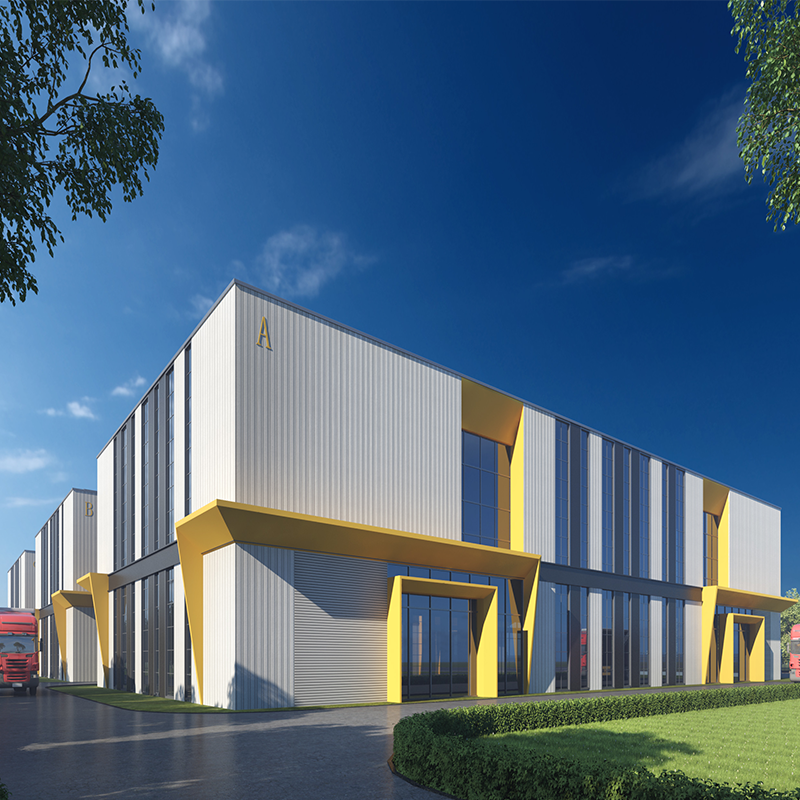
What Are The Components Of A Steel Building?
Title A Steel Structure is a device that connects or links the various parts of the device so that the device operates as a unit. Steel Skele-ton is essentially a framework structure of primary load members, secondary stabilization and support members, and enclosing cladding to shelter the build-ing from the outside world. Fasteners things together and joints kept everything lined up; foundations secured the building to the ground. Doors, windows, and skylights provide improved function and natural light. System thinking allows you to simplify the design process and reuse critical elements in multiple projects.
Basics of a Structure: Backbone of Your Building
Frames – of the Steel Structure The basic structure on which the other parts are built (can also be called a frame in some structures). These components bear the loads as well; even those on gravity, wind including snow, and also seismic forces. The objective is to build a strong frame that reduces internal supporting poles, and which utilizes as much of the available floor space as possible.
Columns: The Support System
Columns are important because they carry loads from the ceiling and floor to the footing. Tapered columns are usually adopted as buildings in steel structure and reducing weight at some of section will be cost effective, even strength is not compromised. According to the needs of the building, not flattened against corrosion, according to for logistics warehousing purposes as much seamless square tube paint or hot galvanized; Can do paint, can also be based on the customer's request (does not include) surface treatment.
Beams and Rafters: Join the Dots
Beams connect the columns to support the roof purlins. It is common in practice to use tapered rafters which optimise the bending moment at mid-span, thereby reducing load transfer in an efficient manner. For cranes and mezzanines, prismatic beams are desirable because they are of uniform stiffness, facilitating vibration control and proper alignment of equipment.
Trusses and Long-Span Systems: How to Enhance Openness
Steel Trusses are one of the best-kept secrets in construction! Whether they may be used as Shop Building trusses, Horse Barn trusses or any other type of truss you can think of, our products have the attention to detail for all your new construction with the ease of installing them. These truss systems are strong yet lightweight due to their triangular shape. Wherever vibration control is called for, trusses are the obvious solution because of their structural characteristics which reduce the impact of machinery vibrations through them.
Secondary Members: Stability and Support
Secondary members are necessary to transfer and distribute loads within the building. They stiffen a building, support it laterally and cover the cladding. Those are speed of construction and quality of finish – which speaks to the building envelope and its watertightness and thermal performance, for example.
Purlins: Supporting the Roof
Purlins are installed horizontally along the roof and are cold formed using Z or C sections. In particular, Z-purlins can lap over supports to share the load due to bending so that a lesser material thickness is required and less materials cost are incurred. It also enhances wind uplift resistance, making it perfect for coastal homes.
Girts: Supporting the Walls
Girts are attached to wall columns and support the walls of a building. For buildings with a higher eave, bypass girts are used to strengthen walls and maintain insulating effectiveness. Girt spacing is synchronized with panel width for ease of installation and tighter openings around windows and door frames.
Bracing Systems: Keeping Everything Aligned
The diagonal bracings give more stability to the Steel Building. Portal frames or moment connections can preserve strength at clear openings without interior elements impeding the space. The preliminary planning of bracing systems is valuable to enhance construction sequencing as well as for safe handling during installation.
Hold Down The Roof: Eave Struts Ensuring That It Is All Pulling Together
Eave struts are fitted at the intersection of roof and walls, and connect purlins and girts together. Their geometry produces a clean drip edge and provides a straight line for gutters. Additionally, eave struts that are aligned correctly make the panel installation process quicker and help avoid common problems such as roof wall leaks.
Cladding Systems: Protection and Performance
Cladding has other roles besides preventing rain from damaging your building — it influences how warm or cool your building will be, its soundproofing and whether it will require major maintenance. The best roof and wall panels can cut energy use and reduce maintenance expense the longer you own your buildings.
Roof Panels: Designed for Durability
How to install standing seam metal roof is good in water shedding and thermal moves. Areas with snow cover utilize structural roof panels to provide greater uplift capacities and allow for snow guard capability. Matching skylight curbs and solar mounts to roof panels can maintain building warranty and performance.
Wall Panels: Efficient and Versatile
There’s a variety of profiles for wall panels, and through-fastened ribbed panels are an economical and fast option. Prefabricated insulated metal panels for building applications are manufactured by combining structure, insulation and interior finish into a single product. Where humidity is high, careful attention to the sealing of panel joints is essential for controlling condensation and avoiding moisture damage.
Insulation and Vapor Control – Energy Efficiencies at their Best
In colder climates, this thermal bridging can be mitigated by increasing insulation or selecting insulated metal panels, which will ultimately increase the energy efficiency of the building. In a hot or very humid environment, you need vapor barriers to keep dripping water away and the constant moisture at bay.
Connections: The Devil Is in the Details
The magic, of course, is in the connections. Bolts, welds, rivets and fasteners are a constant to ensure that everything works together. These little embers are absolutely necessary for the pace of construction and overall longevity.
Bolted and Welded Connections
They can, for instance, be provided in bolted connections requiring a large slip resistance such as the main frame. Shop welding is then employed for quality, and away-from-shop welds are kept to a minimum to minimize home construction defect. Correct inspection procedures ensure that all connections are rated for safety and strength.
Rivets and Specialty Fasteners
Roof & Wall Panels Special screws or rivets with sealing washers are used to attach the roof and wall panels. These clips must be chosen with care according to wind zone calculations, in other to avoid problems such as fluttering or blow-off.
Not even the best Steel Structure will survive without a good foundation. The foundation should properly correspond with the building layout, soil type and load requirements to prevent total failure of the entire structure.